
How to Play Q8s (Queen-Eight Suited) in Texas Hold'em - Complete Strategy Guide
May 3, 2026
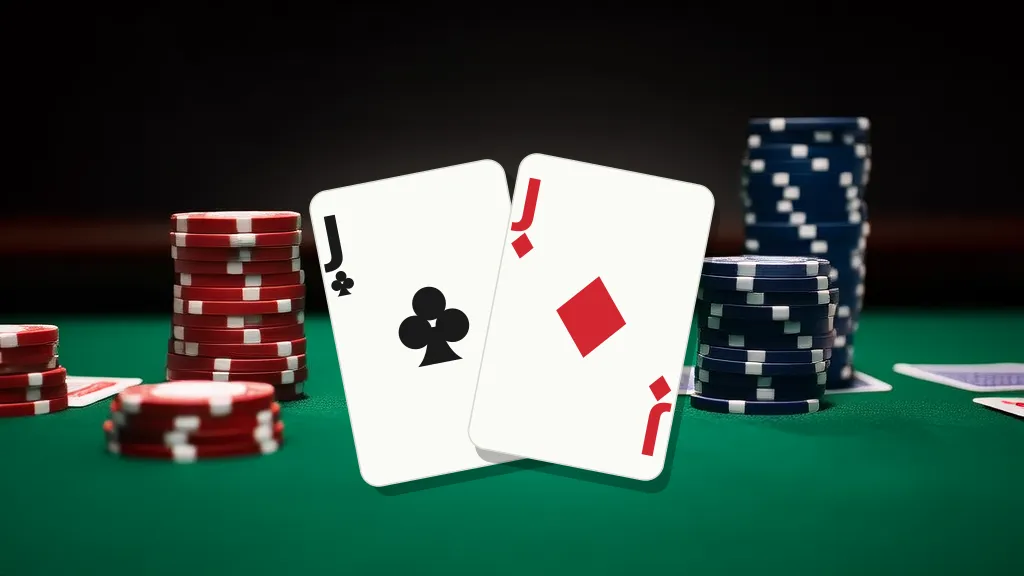
Queen-Eight suited is a weak but workable suited Queen: mostly a positional steal and flush-backup hand. In tough games treat it as CO/BTN territory; respect brutal kicker wars on queen-high boards and very limited straight potential compared with Q9s+.
- how to play Q8S
- Q8S strategy
- GTO
- poker strategy
Queen-Eight suited is a step weaker than Q9s in nearly every poker dimension: kickers lose not only to QT+ but now also to Q9, straight machinery is shallower, and your suited upside is still usually flush-backup equity rather than nut dominance. Q8s shines as a late-position gadget—CO/BTN steals, selective isolations live, and cheap realization multiway—while punishing anyone who treats it like QJs. Against competent squeeze-heavy games, fold it from MP even in six-max unless dynamics are unusually soft.
Introduction
Most players first encounter Q8s as a hand that “looks pretty” because it is suited and contains a face card. That cosmetic appeal hides structural weaknesses: you are dominated by all stronger Queens starting at Q9 (and QT+, KQ, AQ crush you even harder), your flush when completed still frequently loses to Ace-high and stronger queen-high flush combos, and any straight involving both cards tends to need perfectly staggered middle cards (for example boards featuring J‑T‑9 alongside your Q‑8) while KQ/JT heavy ranges collide with your endpoints. The redeeming qualities remain flush draws as backup, implied odds in truly deep games, and juicy isolation spots versus tourists—but never confuse backup equity with permission to open UTG “because it is pretty.”
The narrative of this guide is simple: default CO/BTN opens in tough lineups, widen cautiously only when blinds overfold and squeezers nap; treat queen-high top pair as chronic kicker trouble, and lean on suited aggression only when draws outweigh showdown value. Heuristics beat memorization: MP opens become rare justified exploits, not baseline autopilot.
Strategic Thesis (Compact Mental Model)
Think of Q8s as three overlapping machines whose gears only mesh when table conditions align: a steal generator that collects uninvested blinds, a drawing scaffold that leverages suited equity across streets, and a trap-aware pot-controller that declines dominated escalations. Misalignment occurs when you engage the steal module from early seats against attentive opponents—then domination risk dominates realized upside. Likewise, treating the drawing scaffold like a nut-machine yields expensive stacks when flushes remain third-best or straights remain dominated at showdown. Successful players debug each session by tagging which module they erroneously activated; over time the proportion of “correct module” decisions rises and variance smooths without sacrificing aggression where mathematics supports it. Precision beats nostalgia every orbit. This conceptual triad rarely appears in simplistic charts yet explains why identical cards swing between wildly profitable and mildly losing depending on who sits behind you, how deep effective stacks run, and whether rake caps salvage marginal edges.
Hand Strength Analysis
Where Q8s Ranks
Q8s is not a top-percentile starting hand in absolute terms. In a vacuum it sits closer to the lower suited Queens and suited connectors than to KQs or QJs. Its percentile shifts dramatically with table format: in soft six-max pools it may appear from HJ sparingly, but in tough games treat Q8s as a CO/BTN-first hand; full-ring nine-handed cash removes it from EP entirely against thinking opponents. Rankings also depend on rake structure—at rake-heavy microstakes, marginal suited Queens bleed EV unless your postflop edge is substantial.
Raw Equity Snapshots
Equity informs humility more than aggression with Q8s:
- Q8s vs a random hand: approximately mid‑60s percent equity (similar to many suited one-gappers, slightly queen-weighted)
- Q8s vs AQ / KQ: severely dominated when a Queen hits; raw equity preflop is poor once weighted by domination on queen-high boards
- Q8s vs TT: roughly low‑40s percent equity—pair dominates high-card strength
- Q8s vs 87s: often a flip leaning to the more connected lower suited hand depending on suit overlap
- Q8s vs a tight EP open (top 12–14%): typically below the equity needed to cold-call profitably without exceptional depth and skill
- Q8s vs a loose BTN steal (top 35–45%): equity improves enough that resteals and calls become plausible with antes or dead money
Treat these numbers as directional: Q8s realizes equity best in position with initiative or multiway weak fields where nobody squeezes.
The Suited Advantage (and Its Ceiling)
Suitedness lifts Q8s above Q9o materially. Flush draws give semi-bluff leverage and flush completions that win medium pots. Critical caveat: your flush is rarely the nuts. On many queen-high monotone or three-flush runouts, AQ/KQ/QT-suited and myriad Ace-high suited combos remain possible. Third-nut (or worse) flush scenarios demand cautious stacking—especially versus competent aggression.
Secondary benefits include:
- Backdoor equity: numerous flops offer backdoor flush paths that support delayed c-bets or floats.
- Playability: suited texture preserves turn decisions where offsuit hands surrender entirely.
- Fold equity coupling: semi-bluffs combine queen blockers with drawing equity.
Straight Potential: Thin Compared With Q9s
When both hole cards play, the classic eight-card ladder looks like Q‑J‑T‑9‑8. That requires the board to carry three precise connectors while avoiding dominated higher wraps—JT/KQ/T9 holdings frequently own your soul when money goes in. Gutshots like T‑9‑x with Q‑8 may appear, but straight equity is a bonus, not a business plan.
Because straight equity is so conditional, do not treat Q8s like true suited connectors (87s–T9s). It behaves like a suited Queen whose secondary connectivity occasionally wakes up.
Pair Strength and Kicker Hell
When you flop top pair with a Queen, your kicker is an Eight—worse than Q9s and catastrophically behind QT+. Opponents with Q9 already have you outkicked on queen-high boards, before AQ/KQ enter the chat. Second pair with an eight faces similar domination cycles versus better kickers and overpairs. This pushes Q8s toward heavy pot control, thin value only versus stations, and semi-bluff-heavy paths when flush draws exist.
Domination and Equity Realization
Domination defines Q8s more than raw preflop percentages.
Dominating Others
You dominate weaker Queens with inferior kickers (Q7s–Q2s) and some nonsensical offsuit broadways that peel incorrectly. These spots reward isolation raises versus limpers and thin value versus calling stations.
Being Dominated
Hands like AQ, KQ, QT, QJ, and Q9 crush your queen-high top-pair scenarios. Hands like A9 and K9 occasionally outkick you when you spike middle pair with your eight on nine-high textures. Higher suited connectors and broadways deny your flush purity.
Equity Realization Factors
Position is paramount: Q8s realizes a far higher share of its equity in position than out of position. Initiative matters—without initiative, many flops force uncomfortable checks with fragile equity patches. Sprawl of opponents shifts priorities: multiway, flush draws gain relative value while top pair loses.
Rule of thumb: If you expect frequent three-bets behind, Q8s drops below threshold. If you expect passive calls and weak ranges, Q8s climbs.
SPR, Commitment, and Stack Depth
Stack-to-pot ratio discipline prevents catastrophiccommitments with third-nut draws and dominated pairs.
| SPR | Guidance for Q8s |
|---|---|
| SPR 1–3 | Commit mainly with combo draws (flush draw + straight draw), strong flush draws, or two pair+. Single pair with weak kicker is fragile even at low SPR when opponents are competent. |
| SPR 4–7 | Semi-bluff aggressively with strong draws; pot-control one-pair hands versus aggression. |
| SPR 8–12 | Implied odds territory—call more speculative floats IP; avoid building huge pots OOP without premium draws. |
| SPR 13+ | Deep chess: prioritize realization and deception; folding top pair vs sustained aggression becomes plausible against ABC nit populations. |
Practical Commitment Examples
Example A (flush draw, three-bet pot): You open CO, BTN 3-bets, you call IP. Flop two-tone with your suit. SPR ~4. Getting stacks in with twelve outs plus occasional pair outs can be reasonable versus wide ranges—still be mindful when villain’s value skews toward AA/KK that doesn’t fold.
Example B (top pair weak kicker): Single-raised pot, SPR ~10, you hold Q♠ 8♠ on Q♥ 7♦ 2♠. Turn ace rolls off and opponent triples barrels. Do not treat commitment as automatic—you are often crushed or drawing slim.
Six-Max versus Nine-Max
Six-Max Dynamics
Six-max rewards wider opens and more steals:
- HJ/MP opens become rare outside soft tables—CO/BTN steals are the reliable breadwinner when blinds fold enough.
- Blind battles widen; Q8s steals and resteals gain frequency.
- Three-bet regimes rise—fold more to 3-bets unless histories justify calls.
Nine-Max Full Ring
Nine-handed poker tightens early positions materially:
- UTG/EP: Typically fold Q8s against competent tables.
- MP: Mixed—some solver-influenced charts include minute frequencies; exploitatively lean fold versus tough fields.
- CO/BTN: Primary productive seats.
Multiway pots occur more often full ring—Q8s appreciates limped family pots where flush pursuit is cheap and dominated queen scenarios less likely when nobody isolated.
Online versus Live Poker
Online
- Higher three-bet frequencies shrink Q8s cold-call EV.
- Solver-trained opponents punish loose EP opens.
- Fast interfaces reward disciplined preflop hygiene—use HUD stats: Fold to Steal, SB fold BB defend, squeeze tendencies.
Live
- More limpers → isolation raises or strategic limps behind become viable.
- Larger open sizes shift SPR downward—adjust semi-bluff thresholds accordingly.
- Physical reads identify stations versus nits—value thinner against stones never bluffing rivers.
Preflop Strategy by Position
Guidelines assume ~100 BB cash unless noted; tighten immediately at shallow stacks.
UTG / Early Position (Nine-Handed)
Default: Fold versus competent lineups. At extremely soft tables where five players routinely limp and seldom squeeze, an exploitative open may appear—still rare. Do not open Q8s UTG as a standard REG strategy.
Middle Position (HJ/LJ Six-Max / MP Full Ring)
Six-max: Optional open when folds are likely behind and blinds are weak defenders. Size standard (2.2x–2.5x). Avoid opening into habitual squeezers.
Full ring: Lean fold; mixed frequencies only with antes + passive lineup.
Cutoff
Open frequently. Q8s is a core steal candidate—range interacts well versus blinds calling ranges dominated postflop when you hit draws.
Button
Highest EV seat. Open default. Fold to aggressive 3-bets unless villain defends wide and shallow stacks mandate calls.
Small Blind
Versus folded pot: prefer completing versus tight BB only at deeper stacks with antes; generally raise or fold versus competent BBs to avoid OOP realization hell.
Versus limpers: isolation raises profitable live.
Big Blind
Versus open: mostly fold; occasionally defend versus wide BTN min-raises deep-stacked when prices correct—still tricky OOP. Versus SB completes: raise for isolation.
Facing Limpers
Multiway limped pots are among Q8s’s best homes:
- Live: Overlimp acceptable when five weak players limp and squeezers absent—flush equity realizes cheaply.
- Iso-raise smaller sizing still extracts folds from garbage.
- Never isolate enormous sizing without expectation callers peel wide—SPR manipulation matters.
Online limps are rarer; treat limp as weakness but verify pool tendencies—some microstakes players limp monsters.
Playing as the Three-Bet Caller (Out of Position)
Generally avoid calling three-bets OOP with Q8s unless stacks exceed ~120 BB and villain’s range is wildly merged or you possess elite postflop edge.
If forced:
- High-card wet boards without draws → check-fold early.
- Low SPR paired boards → proceed cautiously even with backdoors.
- Donk-lead small only as exploit versus over-CBet populations—never default GTO assumption.
Facing Different Preflop Actions
Versus Single Raise
- IP: Flat selectively versus wide steals when deep; otherwise fold EP opens.
- OOP: Fold dominated spots.
Versus Three-Bet
Primary response: Fold. Continue only IP versus polarized small-ball three-bettors with shallow SPR incentives.
Versus Four-Bet
Always fold absent insane reads.
Squeeze Spots
Q8s rarely appears as value squeeze; prefer stronger blockers. Occasionally light squeeze BTN versus frequent callers when folds generate immediate profit—still marginal.
Multiway Raised Pots
Drop frequency drastically—domination multiplies.
Postflop Strategy with Q8s
Favorable Textures
Two-tone with your suit plus high card synergy: Semi-bluff barrels thrive IP.
Eight-high connected boards: Pair-plus-draw textures emerge—still recognize domination by better queens on coordinated queen-high boards.
Eight-high connected textures: Straight draws gain credibility—pressure capped ranges.
Neutral Textures
Rainbow queen-high: Pot-control unless attacking stations; beware kicker wars.
King-high boards: Weak showdown—convert more to probe floats IP versus low cbet frequencies.
Poor Textures
Ace-high monotone unrelated: Fold absent robust draws.
Broadway-heavy paired boards: Straight purity declines—ease aggression.
Turn and River Heuristics
- Turn completes obvious draws: Reduce thin value with one pair.
- River bricks after passive line: Occasional thin value versus stations; avoid hero calls versus nit rivers.
- Raises on turns/rivers: Fold non-nutted one pair often.
Sample Lines
Line 1: CO open, BB calls. Flop Q♦ 6♠ 2♥ rainbow. Small cbet for protection versus floats; check back turn versus aggression triggers.
Line 2: BTN open, blinds call. Flop 8♣ 7♣ 3♦ with Q♣ 8♦. Middle pair + flush draw multiway—bet small for protection; fold large escalations because dominated queen combos proliferate when board rolls Broadway cards.
Line 3: Three-bet pot as caller IP with flush draw on T♠ 7♠ 2♥. Float calling reasonable; raise jam only shallow SPR.
Cash Game versus Tournament Notes
Cash
Deep stacks emphasize implied odds—Q8s playable wider CO/BTN.
Tournaments
Short stacks depreciate speculative suited Queens—fold push/fold stages unless antes + squeeze dynamics intervene.
EV Calculations: Practical Math with Q8s
Example 1: Steal ROI
Folded to BTN, blinds defend 70% combined but call OOP postflop poorly:
- Raise 2.5 to win 1.5 blinds outright ~40% ⇒ immediate profit ~0.6 blinds before postflop.
Even small defensive leaks compound—steals anchor Q8s EV.
Example 2: Calling Versus BTN Open
BTN opens 2.5, you’re BB deep:
Pot odds ~need ~28–32% equity depending on rake—Q8s often insufficient OOP unless villain opens >45% and checks flops frequently.
Example 3: Semi-Bluff Break-Even
You bet 66% pot on flop as semi-bluff:
Fold equity needed ≈ 0.66 / (1 + 0.66 + 1) simplified comparisons—pair combo draws frequently surpass thresholds versus capped ranges.
Example 4: Multiway Limp Pot Implied Odds
Five players, 5 BB effective limped pot:
Flushhit scenarios occasionally extract 20–40 BB from stations—justifies cheap flops when rake capped benignly.
Example 5: ICM Caveat
Bubble scenarios shrink marginal suited Queen calls—chip preservation dominates.
Common Mistakes to Avoid
Mistake 1: Opening Too Early Against Competent Opponents
EP opens bloat pots dominated too often.
Mistake 2: Calling Three-Bets “Because Suited”
Domination OOP crushes realized equity.
Mistake 3: Overvaluing Third-Nut Flushes
Stacking off blindly burns stacks versus thoughtful villains.
Mistake 4: Ignoring Kicker Wars on Queen Boards
Top pair ≠ premium.
Mistake 5: Auto-Barrelling Without Range Awareness
Fire selectively versus capped journeys.
Mistake 6: Treating Live Limpers Like Online Raises
Different ecosystems demand different mixes.
Mistake 7: Neglecting Rake at Microstakes
Thin edges invert.
Advanced Tips and Exploitative Adjustments
Population Reads
- Versus stations, maximize flush draws and thin value.
- Versus nit TAGs, surrender marginal showdowns early.
- Versus maniacs, induce with draws rather than thin raise folds.
Delayed Double Floats
Float flop IP, seize turns when villain checks twice showing capped weak pairs.
Small Probe Raises
Exploit automated cbets with combo draws to fold equity pressure.
Blind Steal Adjustments
Increase frequency versus nitty blinds; decrease versus squeeze-heavy SB.
Deep Stack Flatting
Rare CO flats versus UTG when stacks >150 BB and villains under-three-bet—still caution.
Solver Insights (Merged Frequencies)
Modern solver outputs—subject to rake node assumptions—illustrate trends:
- EP frequencies approach zero in disciplined online pools.
- CO/BTN opens spike as incentives shift toward chip accumulation.
- Three-bet responses collapse toward folds unless incentives distort ranges.
- Cbet sizes shrink in three-bet pots—mirror with flush draws for leverage.
- Multiway nodes reduce continuation frequency with naked top pair weak kicker.
Use solvers for pattern recognition, not rote memorization—Q8s specifics swing heavily with rake and opponent models.
Extended Postflop Atlas: Texture-by-Texture Plans
This section functions as a drill deck—internalize patterns until decisions become automatic.
Queen-High Dry Rainbow Flops (Q‑7‑2, Q‑5‑3)
You frequently flop top pair weak kicker. Heads-up in position: Small continuation bets deny equity to ace-high and inferior pairs while keeping dominated queens in—still modulate versus opponents who only continue with better queens or pocket pairs above nine. Multiway: Checking behind sometimes realizes showdown value from worse pairs while avoiding raises from traps; betting tiny gains protection but invites awkward raises from sets.
Queen-High Connected Two-Tone (Q‑T‑8 Example)
Dynamic boards punish autopilot. Suppose you hold Q♣ 8♣ on Q♣ T♥ 8♣: you have top pair with a weak kicker, a club flush draw (still wary of AcXc), and only skinny straight textures needing runners like J‑9. That combination can still probe versus capped ranges, but AQ/KQ/QJ/JT sets dominate portions of continuing ranges—size with discipline and rarely stack off without reads.
Pressure draws but recognize KQ/AQ/JT/Q9 portions of ranges—do not inflate without clarity.
Nine-High Monotone Flops Lacking Your Suit
Pot-control immediate—even middle pair on nine-high monotone boards rarely feels comfortable versus aggression representing completed low flushes or strong draws.
Broadway Ace-High Flops (A‑K‑T Rainbow)
You have gutshot possibilities dependent on exact ranks plus backdoor nuances. Treat as semi-bluff candidate IP only versus low continuation frequencies; otherwise concede.
Low Connected Double Broadway Potential (9‑8‑7)
Excellent connectivity territory—straight draws plus pair combinations emerge. Weight raises carefully versus competent merging callers.
Paired Low Boards (7‑7‑3)
Trips unlikely for you—mostly airball scenario. Continuation as aggressor plausible only leveraging range advantage IP in raised pots; otherwise check.
Double-Paired Runouts
Showdown value evaporates—unless you hold full house combos via runner-runner perfection, fold marginal calls.
Blockers and Card Removal with Q8s
Holding Q8 removes one queen from opponents’ QT/QJ holdings—marginally increases likelihood they fold top pair worse kickers but does not erase AQ/KQ dominance. The eight blocker barely influences straight combos relative to T9/JT. Use blocker logic sparingly: Q8s strength derives from suited playability, not pure combinatoric warfare.
Mental Game: Variance Acceptance
Q8s generates memorable coolers—third nuts versus second nuts, dominated top pairs versus silent flats preflop. Emotional discipline equals bankroll discipline: review whether frustration stems from outcome or process. Good process folds to river raises without nutted equity; bad process stacks off because “I had top pair.”
Narrative Hand Histories (Instructional Fiction)
History A: CO Steal Versus Nitty Blinds (Live $2/$5)
Effective stacks $700. Folds to Hero CO with Q♠ 8♠ who opens $15 (standard). SB folds; BB calls passive tourist. Flop Q♥ 6♦ 2♠—dry. Hero continuation bets $18 into $33; villain calls. Turn 4♣ bricks. Hero checks back expecting showdown versus AX floats lacking heart. River A♠ completes obvious scare but improves Hero’s fake narrative poorly—actually ace hits villain’s AX often. Hero checks; villain bets $45. Hero folds recognizing value skew—process correct despite curiosity.
History B: Multiway Limped Madness (Live $1/$2)
Five limpers; Hero completes SB option (!!) only recommended deep/station table—Hero holds Q♦ 8♦ with BB passive. Flop 8♣ 7♣ 2♥—middle pair with weak kicker multiway. Checks to Hero who bets $12 into $10—two callers realistic with draws and worse pairs. Turn J♠ adds straight worries—Hero checks intending pot control; elderly villain bets $25, younger tourist calls. Hero folds—straight ranges populate heavily—discipline preserved stack.
History C: Online CO Versus BTN 3-Bet (NL50)
Hero opens 2.5 BB CO with Q♣ 8♣; aggressive BTN 3-bets 8 BB. Hero folds—HUD shows 9% 3-bet—no shame.
Additional EV Mathematics
Break-Even Equity Quick Formula
When facing a call price \(C\) to win total ending pot \(P\), required equity \(E \approx C/(P)\). Convert BB counts carefully including rake deductions online—many microstakes edges flip once rake subtracted.
Expected Value of Delayed Iso Live
If probability villain folds pre multiply dead money plus implied expectation post equals positive cumulative EV even with modest equity realization factor ~0.85—still model opponents individually.
Comparison Versus Q9s / QTs Gap
Estimate incremental EV drop moving down from Q9s→Q8s purely from additional dominated queen scenarios—roughly a few bb/100 in identical solver populations (illustrative only).
Tournament Expansion Pack
Early Levels (100 BB)
Treat similarly to deep cash CO/BTN emphasis—open less UTG even tournaments due ICM precursor incentives toward discipline.
Middle Stages
antes enlarge steal profitability—Q8s steal/shove thresholds widen CO/BTN shorter stacks.
Bubble Dynamics
Fold marginal opens—chip preservation dominates speculative queen lanes.
Final Table Pay Jump Sensitivity
Large pay jumps shrink borderline gambles—prefer solidity.
Solver Workflow for Serious Students
- Build baseline cash node 100 BB rake on.
- Filter reports for RFI EP/MP/CO/BTN frequencies—note Q8s weightings.
- Import population averages—adjust exploitatively.
- Run sensitivity removing rake—observe frequency explosions illustrating rake burden.
- Document three-bet responses across SB/BTN models—fold dominance emerges.
Population Cluster Cheat Sheet
| Cluster | Q8s Adjustment |
|---|---|
| Overfolder postflop | Increase steal + semi-bluff |
| Underfolder postflop | Decrease bluffs; increase value thinner |
| Maniac preflop | Avoid dominated flats; trap occasionally IP |
| Nit preflop | Steal relentlessly; ditch marginal calls |
| Squeeze monkey | Trim opens EP-HJ |
Putting It Together: A Decision Flowchart (Textual)
Although poker defies rigid algorithms, a reproducible mental checklist reduces autopilot errors:
- Preflop seat: Am I CO/BTN/HJ only? If EP full ring → fold absent extraordinary reads.
- Behind me: Who squeezes? Who flats dominated ranges?
- Stack geometry: What SPR genre emerges if I enter—small/medium/deep?
- Postflop category: Label flop strong/neutral/weak within five seconds.
- Relative position: Am I closing action IP?
- Aggression mapping: Do raises polarize or merge this villain?
Walking this ladder consistently separates disciplined Q8s technicians from hopeful creators of variance.
Historical Meta Notes (Illustrative Context)
During early online boom eras, populations defended blinds poorly—marginal suited queens generated inflated EV. Modern solver-trained pools compress margins. Continuous adaptation—not nostalgic aggression—preserves win rates.
Range Composition Awareness Drills
Practice constructing opener ranges without charts in front of you: verbally list the top eighteen percent of hands from the cutoff—notice Q8s hugs the inclusion boundary even tighter than Q9s. Next, remove every dominated queen scenario mentally and observe how conditional inclusion becomes. Pair this drill with flop texture labeling after sessions: for each Q8s confrontation, write one sentence justification referencing SPR and opponent archetype. Within weeks, leak reduction compounds because marginal holdings demand articulated reasoning rather than muscle-memory autopilot borrowed from stronger queens like QJs or KQs.
Physical Tells Integration (Live Only)
Some live opponents exhibit chip-handling tempo shifts when flatting dominated queens—never rely exclusively on entertainment mythology, but integrate datum cautiously when Bayesian priors already skew toward folding. Conversely, relaxed smiles sometimes correlate with trapping premium pairs—not universal but occasionally shades river decisions after queen-high sequences where solver defaults diverge from population behavior.
Final Coaching Reminder
Profit stems less from brilliance than from boundary enforcement: fold early dominated enters, steal late with discipline, respect three-bets, and carve thin value only where populations justify payment. Q8s rewards humility disguised as tactical aggression. When reviewing sessions, tag hands where marginal queens crossed into curiosity calls—those narrative leaks silently erase steal gains accumulated across hundreds of orbits.
Frequently Asked Questions (FAQ)
Should I open Q8s from MP in six-max?
Against passive blinds and no habitual squeezers behind, yes—otherwise fold or treat as CO/BTN exclusive.
Is Q8s better than Q10s?
Generally QTs dominates Q8s due to stronger kicker and straight connectivity—open QTs wider.
Can I cold-call a tight UTG raise with Q8s?
Almost never at 100 BB—domination plus OOP realization gap.
How do I play Q8s multiway limped?
Prefer cheap realization; escalate aggression when flush draws appear and opponents display capped ranges.
Is three-betting Q8s ever correct?
Rarely as merge—prefer suited Ax blockers or stronger Queens; occasional resteal versus min-opens wide SB dynamics only.
What flops are best?
Two-tone queen or nine connectivity with backdoors—avoid naked ace-high monotone lacking draws.
Should I limp behind live?
Yes when table refuses isolation squeezes and stacks deep—exploit versus tourists.
How does rake affect me?
At NL5 rake caps, folding marginal opens EP rises EV.
Versus min-donk bets?
Often calls IP with draws; raises combo draws occasionally.
Tournament twenty big blinds?
Shove charts rarely include Q8s UTG—marginal steal candidate BTN only situationally.
Can I stack off with queen-high flush?
Versus passive stations yes; versus competent aggression scrutinize board pairing and action.
Online HUD signals?
High Fold to Cbet ⇒ semi-bluff wider; Low Fold to 3bet ⇒ open tighter.
Do antes change Q8s play materially?
Yes—dead money increases steal ROI and slightly widens defend/call envelopes CO/BTN.
Should I defend BB wider multiway?
Generally no—realization penalty persists unless enormous overlay odds exist.
What about straddle games?
Straddle shrinks effective stacks relative to pot—tighten dominated speculative Queens unless antes compensate.
Does suit matter when comparing Q8s copies?
Overlapping suits with opponents alter flush purity calculations—track removal mentally.
Can I flat SB versus BTN minraise?
Usually fold or three-bet stronger Queens—Q8s flats SB invite reverse implied disasters.
How do I study postflop?
Use categorized drills labeling flops strong/neutral/weak for Q8s until pattern recognition sticks.
Is slow-playing ever reasonable?
Rare multiway trap scenarios versus hyper-aggressive histories—default aggressive or fold pre.
Does solver frequency equal live frequency?
No—live limp/no-squeeze dynamics widen profitable envelopes exploitably.
Bankroll recommendation?
Marginal suited queens produce swings—maintain conservative buy-in rules while learning.
Shot-taking considerations?
Avoid shot thresholds learning Q8s—edges thinner.
Database review metric?
Filter queen-high showdowns—inspect kickers lost money versus saved folds.
Summary: Key Takeaways for Playing Q8s
Q8s is a marginal suited Queen—respect domination by AQ/KQ/QT+.
Six-max opens from MP+ are feasible only versus weak squeeze dynamics; nine-max prefers CO/BTN.
Flush potential is real but rarely nutted—avoid automatic stacks versus thoughtful opponents.
Straight possibility exists via rare Q‑J‑T‑9‑8 ladders but appears seldom—treat as lottery equity only.
Multiway limped pots magnify value when realization stays cheap.
Fold to three-bets by default—continue only with compelling reads or depth.
SPR discipline protects you from committing dominated pairs.
Online versus live diverge: steal/isolate patterns must shift.
Use semi-bluffs heavily IP, pot-control OOP.
Treat third-nut flushes cautiously unless villain capacity for worse persists.
Exploit stations, shelve fancy lines versus nits.
Continuously audit rake and skill edges—Q8s crosses from +EV to –EV quickly when assumptions fail.
Master Q8s by conceding it is not AQs—play it like the speculative positional weapon it is, and your graph will thank you for every disciplined fold you make when the three-bet comes in.