
How to Play KTo (King-Ten Offsuit) in Texas Hold'em - Complete Strategy Guide
May 3, 2026
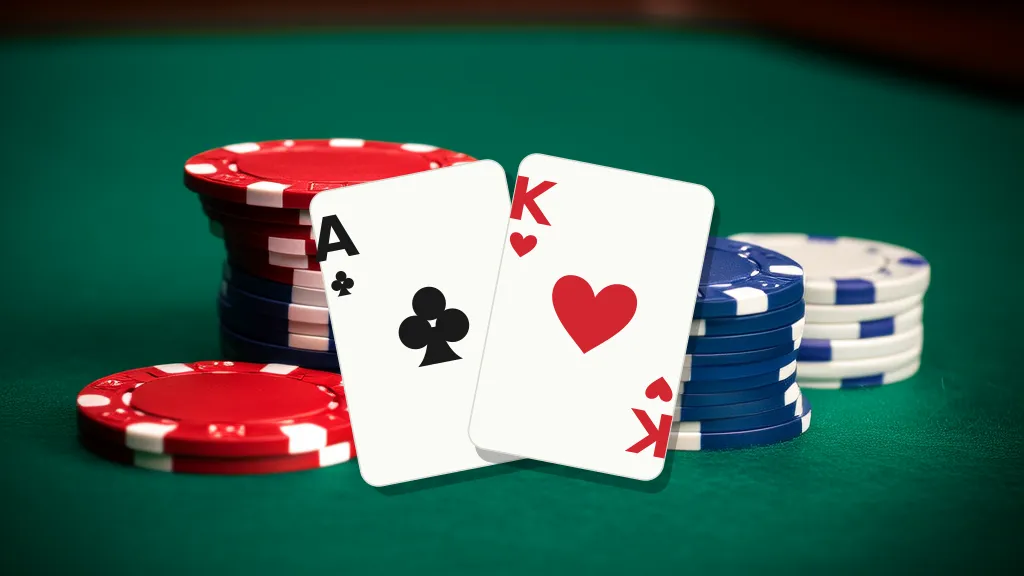
Master King-Ten Offsuit (KTo) in every position and situation. Learn when to open, 3-bet, or fold, plus postflop strategies for various board textures and opponent types.
- how to play KTO
- KTO strategy
- GTO
- poker strategy
1. Introduction: Broadway Offsuit Dynamics and the King-Ten Combination
King-Ten offsuit (KTo) occupies one of poker’s most instructive conceptual neighborhoods: unmistakable high-card strength married to unmistakable domination vulnerability. It is a broadway hand—both hole cards rank ten or higher—which mechanically elevates baseline equity versus junk holdings and preserves credible paths to strong made hands. Yet unlike suited broadway combinations, KTo cannot lean on incidental flush equity as a realization lubricant; unlike tightly connected holdings such as T9s, it cannot pretend straights arrive routinely from symmetric gap structures. What remains is a hand whose EV hinges on positional leverage, range composition, and disciplined refusal to treat top pair as synonymous with nuts.
The structural strengths begin with the king. On king-high flops, KTo frequently flops top pair—almost always top pair, medium kicker (TPMK) relative to plausible villain continuations—because many worse kings exist only when opponents widen aggressively preflop. The king also participates in robust Broadway wrap geometry, anchoring nut-making aspirations along Ten-Jack-Queen-King-Ace. The ten complements this geometry twice over: it completes interior segments for nine-high straight textures (Nine-Ten-Jack-Queen-King) and converts ostensibly innocent boards into volatile straight ecosystems whenever jacks and queens arrive.
Against a random hand, KTo exhibits roughly 43–45% equity preflop in aggregate simulations—a reminder that raw highs crush lows—but tournament and cash realities rarely confront you with uniformly random showdown opponents. Instead you collide with conditional distributions: opens from competent players concentrate suited Broadways and pairs; three-bets concentrate premiums and strongest Ax/Kx combinations; blinds defend wide but not randomly. Under those conditional realities, domination emerges as the dominant narrative axis.
Domination here is not melodrama—it is arithmetic dressed as psychology. Better kings (AK, KQ, KJ) routinely isolate your king-high equity whenever stacks deepen enough for multiple betting rounds. Ace-Ten and adjacent Ax holdings punish scenarios where your ten pairs or participates in wraps because kickers and counterfeit textures invert expectation. Sophisticated opponents exploit these truths without needing soul reads; they simply construct ranges whose conditional probabilities doom TPMK hero calls unless prices lie far outside equilibrium baselines.
Modern game theory optimal (GTO) frameworks typically classify KTo as a marginal-to-solid utility card: seldom a pure trash fold everywhere outside blinds; seldom a pure mandatory three-bet except niche exploit scenarios; frequently an open from cutoff and button; commonly a big blind defend versus steals when pot odds compensate positional disadvantage; rarely a healthy cold four-bet candidate except versus absurd folding tendencies verifiable through population data rather than optimism.
This guide treats KTo as what it is analytically: a balanced weapon demanding integration of SPR (stack-to-pot ratio) discipline, board texture atlases, solver-informed frequencies, and ruthless honesty about reverse implied odds. The analytical tone matters—players who moralize broadway middlers (“always fold junk kings”) or idolize them (“it’s Broadway bro”) sacrifice EV equally. Precision preserves hourly.
Two complementary lenses clarify why KTo persists in modern curricula despite vocal skepticism from tight veterans. First, range-vs-range thinking: when your opening range must defend against three-bets and your defending range must avoid becoming infinitely exploitable by relentless steals, middling broadways occupy an economically necessary middle tier—they carry enough equity to peel correctly priced, enough high-card strength to occasionally dominate weaker broadways and weaker kings, and enough blocker-adjacent texture to interact sensibly with steal/resteal wars without pretending to be Ace-King. Second, playability as geometry: offsuit king-ten produces flops where your equity is transparently medium-strong (king pairing), flops where your equity is volatile but upward-mobile (Broadway wraps), and flops where your equity collapses into disciplined folds (ace-high monotone nightmares). Strong players do not crave uniformity; they crave classification speed.
Finally, contextual honesty about live versus online, zoom pools, and straddle games matters enormously. Straddles chop SPR and inflate dominated multiway collisions—many profitable online buttons become questionable adventures under mandatory live straddle economics. Likewise, anonymous zoom populations sometimes tighten three-bet frequencies while loosening flat-call frequencies in ways that subtly reshape whether KTo realizes steals versus realizes showdown disasters. Treat environmental modifiers as first-class inputs rather than decorative footnotes.
2. Hand Strength Analysis: Equity, Comparisons, and Range Interaction
Raw Equity Benchmarks and Simulation Caveats
Against a literal uniform random hand, KTo tends toward roughly 43–45% equity. Treat this figure as orientation rather than gospel—Monte Carlo depth, dead-card assumptions, and enumeration methodology shift decimals slightly.
Against curated archetypes—far closer to poker—you observe characteristic compression:
| Villain archetype (illustrative) | Typical KTo equity band (preflop, HU) |
|---|---|
| Top ~50% of hands (very loose) | Often mid-to-high forties percent |
| Top ~20% (strong default range) | Frequently high thirties to low forties percent |
| Linear three-bet value shell | Often low-to-mid thirties percent |
| Premium-only jam cluster (QQ+/AK illustrative tight jam) | Typically mid twenties percent or worse |
Bands widen or tighten depending on removal effects—for instance if villain range excludes card combinations overlapping yours—but domination-heavy compositions punish KTo disproportionately versus mere equity averages suggest because realization suffers.
Equity Versus Equity Realization
Printed equity ignores positional asymmetry, rake drag, squeeze volatility, multiway ballooning, and skill-gap showdown pathways. Offsuit broadway gaps realize chips modestly from early seats versus competent defenders because initiative scarcity amplifies dominated forks. Button opens reclaim realization via steal-fold equity plus informational sequencing. Antes inflate defend obligations—often widening BB continues containing KTo despite mediocre absolute strength.
Illustrative Equity Snapshots Versus Defined Holdings
Precise percentages fluctuate with simulation engines, but directional anchors sharpen intuition: KTo versus AK offsuit hovers near ~29–34% equity preflop depending on enumeration details—a sober reminder that domination is severe though not identical to jack-high mismatches. Against KQ offsuit, KTo commonly resides near ~33–37%, better yet still dominated—your king duplicates partial pairing upside while villains retain stronger kickers whenever kings land. Against AT offsuit, equities often cluster near low forties percent for AT, emphasizing why ten-centric boards swing villain favorably whenever ace-high pairing collapses your aspirations while preserving villain top pair top kicker regimes.
Against pocket pairs purely preflop—say JJ—KTo frequently lands close to ~43–46%, reflecting two overs plus gutshot-tier straight scaffolding contingent runouts; nevertheless realize showdown pathways seldom mimic equity snapshots because implied odds run multi-directionally versus sets and because SPR dictates commitment thresholds discontinuously. These snapshots motivate the recurring strategic refrain: KTo thrives where villain ranges remain sufficiently wide that pairing a king extracts thin value often enough to compensate bruising collisions versus condensed premiums.
Combo Count Literacy and Blockers
Understanding combinatorics prevents mystical blocker dogma. When an opponent’s value range concentrates heavily in AK, KQ, and sets on king-high textures, your KT removes negligible combinations relative to ace anchors—king removal matters modestly versus pocket kings precisely because kings appear rarely anyway relative to AK prevalence in aggressive ranges. Conversely versus steal defenses where weak kings appear (K8s, K5s, speculative suited kings), your king carries mild card removal relevance inhibiting nut-tier king combos trivially yet materially across hundreds of repetitions—still insufficient alone to justify suicidal stubbornness facing aggression absent reads.
KTo Versus KTs: Flush Equity and Structural Playability
King-Ten suited (KTs) integrates identical pairing dynamics while layering approximately four outs toward flushes once three suited cards coordinate subject to board pairing caveats. Solver libraries routinely elevate KTs frequencies versus KTo across opens and cold calls because flush overlays synergize with straight overlays—freerolls intensify; barrels acquire tertiary credibility when monotone threats emerge. KTo forfeits those branches—often compelling tighter cold-call portfolios multiway where suited peeling thrives.
KTo Versus KJo and KQo
Among offsuit king-broadway ladders: KQo > KJo > KTo for typical robustness. KQ strengthens TPMK hierarchies materially relative to tens. KJo modestly upgrades king-high showdown divisions versus KTo—still prey to AK dominance. KTo trails—playable later positionally yet thinner EP—reflecting cumulative kicker erosion plus identical straight scaffolding minus jack-high nuances altering partial straight uniqueness on select textures.
Comparative Framework Table (Conceptual)
| Dimension | KTo offsuit | KTs suited |
|---|---|---|
| Flush potential | None inherent | Adds draws and monotone leverage |
| Top pair profile | TPMK typical | TPMK typical |
| Straight motifs | Broadway plus selective wraps | Comparable geometry |
| Domination clusters | AK/KQ/KJ/AT focal | Comparable king-domination |
| Typical open breadth | Late-position weighted | Modestly broader earlier |
Simulation digits fluctuate—cross-check via reputable equity engines (Equilab, Flopzilla, comparable tools) and solver outputs (PIOSolver, GTO+, MonkerSolver) keyed to rake and stake realism.
Domination Topology Summarized
Domination axes cluster naturally around better kings, Ace-Ten family relevance, and better connectors/wrap anchors. Structural domination transcends vibes—strategy must condition decisions on villain composition, not vanity reads alone.
3. Preflop Strategy by Position (UTG Through BB)
Standards oscillate with rake, antes, effective stacks, table size, squeeze tendencies, and HUD-validated deviations. Anchor exploit widening on measurable leaks—fold-to-steal spikes justify aggression; cold-four-bet maniacs behind punish steal-heavy middling opens.
Under the Gun (UTG) and Early Position (EP)
Full-ring without antes: disciplined populations frequently treat KTo as fold or very low-frequency mixed open UTG—not from contempt but reverse implied odds toxicity versus condensed continuing ranges plus positional disadvantage. Six-max: solver-aligned charts sometimes sprinkle modest open frequencies—still tighter than CO/BTN baselines. If opponents behind defend passively postflop, cautious widening becomes tempting—never confuse softness with permission for reckless dominated pursuit multiway.
Middle Position (MP) and Hijack (HJ)
MP transitions KTo into genuine frequency poker: mixtures oscillate between fold/open depending on rake curvature and villain aggression behind. HJ commonly realizes heavier open frequencies versus typical blinds absent relentless squeezers. Exploit vectors: widen versus blinds folding excessively; tighten versus SB squeeze specialists harassing steal sequences.
Cutoff (CO) and Button (BTN)
CO constitutes structural prime territory—fewer actors behind, steal incentives robust. Standard opens frequent equilibrium portraits. BTN elevates frequencies further—sometimes bordering automatic versus ordinary blinds especially ante tournaments, shallow rake worlds, or populations under-defending. Sizing consistency simplifies downstream balancing—novelty sizing cascades confuse EV bookkeeping without HUD tagging sophistication compensating.
Open Sizing, Antes, and Table Format Nuances
Most solver charts implicitly assume efficient raise sizes—often 2–2.5x opens online from later positions—and ante structures altering defend incentives materially. When antes enlarge pots preflop, fold equity shrinks fractionally yet pot odds defending widen—net effects frequently modestly elevate steal portfolios containing KTo because blinds receive irresistible prices despite positional disadvantage. Conversely monstrous opens—live 5x EP opens—collapse steal feasibility while ballooning dominated pursuit penalties whenever cold calling invites squeezed multiway calamities behind.
Full-ring versus six-max differs less in absolute card strength than in positional compression: UTG six-max resembles MP nine-handed philosophically—thus charts migrating across formats demand translation discipline rather than photocopy obsession. Straddle games chop effective stacks silently—SPR plummets despite identical nominal depth—often transforming speculative broadway pursuits into punitive rake-heavy gambles absent juicy payoff villains observable historically.
Three-Betting KTo as Steal Defense (Rare but Real)
Occasionally solver mixes incorporate three-bets from blinds versus steals incorporating middling broadways at low frequencies—not because KTo loves stacking off light preflop but because polarization incentives occasionally reward denying equity realization versus competent thieves while retaining blocker-interactive folds versus continued aggression. Treat such lines as frequency delicacies, not identity transformations—population exploits sometimes prefer linear three-value tightening rather than sophisticated merges absent histories validating fold thresholds.
Small Blind (SB)
Versus limpers: prefer raises completing exploitatively rather than passive limping along minus strategic inducement rationales. Versus BTN opens, cold portfolios diverge heavily—solver-informed mixes incorporate calls/folds/occasional three-bets reflecting blocker mythology lightly—do not overweight naive king-blocking rationalizations. Three-betting KTo arises situationally—not default policy absent credible fold equity versus opener continues.
Big Blind (BB) Defense
Versus CO opens (~2–2.5x online illustrative), KTo routinely emerges among calling mixtures priced by pot odds versus positional disadvantage. BTN min-opens widen defenses. SB steals invite comparatively aggressive defending. Versus three-bets, portfolios collapse toward tighter residues addressed Section 4.
Practical Frequency Thinking Versus Memorized Charts
Charts blueprint anchors—population pivots allocate EV. Track squeeze frequency, cold-call tendencies, four-bet shapes. Narratives absent telemetry degenerate superstition.
Document tendencies clinically: opponents folding BB excessively versus minimal raises amplify steal profitability nonlinearly—marginal opens accumulate blinds silently across sessions. Meanwhile manic squeezers punish steal-heavy middling ladders viciously—frequency obedience absent squeeze telemetry manufactures optimism-shaped disasters. Reconcile narratives weekly: solver ceilings versus population floors.
4. Facing Different Preflop Actions: Opens, ISOs, Three-Bets, and Table Dynamics
Cold Responses to Opens
Against early-position raises: cold fold dominance—calls invite squeezed multiway nightmares. Against CO opens, cautious folding absent squeeze-suppressing layouts or extraordinarily passive villains. Against BTN opens defending BB, calling KTo commonly survives equilibrium scrutiny balanced against disastrous multiway expansions—reject loose cold callers joining frenzied fields without impeccable odds plus skill upside.
Cold Four-Bets and the Myth of “Sexy Blockers”
In disciplined frameworks, KTo rarely appears as an equilibrium cold four-bet bluff because middling king removal interacts awkwardly with realistic continuing ranges containing Ace-King, strong pocket pairs, and occasionally traps disguised as polar aggression. Exploit scenarios arise against villains folding absurd percentages versus cold aggression demonstrably—but verification demands databases or meticulous manual tagging rather than heroic narrative arcs. Sizing sensitivity matters enormously: facing tiny three-bets allowing splendid prices, calling dominates frenzied ripping absent airtight fold-frequency proofs.
Four-Bet Calling Versus Five-Bet Jam Geometry
Deep-stack cash introduces exotic branches—players occasionally flat premiums trapping. KTo seldom thrives facing five-bet jams cold—the equities crater versus credible shoving distributions anchored QQ+ / AK. Preserve humility folding marginal curiosity holdings incapable surviving arithmetic torture absent villain-specific insanity proofs aggregated responsibly—not anecdotal miracles glorified selectively.
Multiway Preflop Escalation Discipline
When raises and calls cascade producing three-plus-way pots, KTo sheds realization sharply. Dominated king collisions spike versus tighter conditional ranges. Straight realization attenuates facing omnipresent suited defenders peeling. Prefer disciplined avoidance escalating pots multiway lacking premiums or suited playable geometries historically outperforming offsuit middlers dramatically—especially live contexts blending passive callers incapable folding dominated pursuit fantasies enticing curiosity dangerously.
Isolation Raises
Evaluate effective stacks, squeeze pressure, multiway contagion. KTo prefers heads-up geometry amplifying TPMK clarity—reject temptation joining speculative party pots dominated by suited entropy unless prices astronomical plus villains payoff-static.
Versus Three-Bets: The Critical Branch
Casual EV leaks concentrate here. Against linear value-heavy three-bets, KTo rests overwhelmingly inside call-or-fold regions, rarely four-betting balanced architectures. Against polarized shells featuring junkier folds, calling frequencies ascend contingent sizing/stack coupling. Against BB three-bets confronting steals—sometimes capped middling residues invite leverage calls exploiting positional postflop maneuverability—still mixtures preserve substantial folds preserving sanity.
Anchor intuition numerically whenever feasible: facing three-bets priced near pot, realize continuing ranges thicken premiums shrinking realized expectation brutally versus identical equities priced lucratively smaller. Positionally, calling IP (in position) preserves maneuverability salvaging middling equities denied OOP strugglers incapable navigating turns versus competent doubles. Avoid autopilot calling ignoring villain tendency toward flop XR frequencies ballooning TPMK catastrophe rates silently—population HUD statistics illuminate hidden taxes sabotaging naive chart obedience aesthetically pleasing theoretically fraudulent practically.
Versus Four-Bets
Default fold KTo absent exploitation proofs—frequency defenders confuse bravery with combustion.
Versus Short-Stack Jams
Below illustrative ~40 BB effective thresholds vary—compute pot odds ruthlessly. Wide reshove ranges occasionally resurrect marginal calls. Competent tight jams anchored in premiums collapse your fold equity narrative—release gracefully unless pot odds rescue marginality versus documented manic reshove widths.
Expanded Decision Narratives
BTN open facing SB squeeze diverges geometrically from BB squeeze patterns—positional incentives reshape polarization. Deep stacks amplify dominated catastrophe frequency shallow simplifications occasionally forgive optimistic discipline lapses—avoid rationalizing curiosity calls disguised intellectualism.
Illustrative Pot-Odds Arithmetic (Jam Versus Calling Stations)
Suppose effective stacks justify an all-in confrontation after your steal meets resistance—the arithmetic rarely cares whether your hole cards “feel” Broadway-strong. KTo reaches profitability thresholds against reshoves only when villain distributions widen dramatically toward suited Broadway junk and small pairs. Against QQ+/AK-heavy jams, folding emerges cleanly despite sunk curiosity. Practice translating combos into percentages: partition villain permutations mentally—premium concentration spikes imply folds even when social pressure mocks caution publicly. Accuracy compounds hourly silently.
5. Postflop Strategy: Top Pair, Broadway Draws, SPR, and Board Atlas
Postflop mastery distinguishes technicians. KTo oscillates primarily across TPMK stewardship, straight-draw choreography, SPR branching, texture-conditioned aggression restraint.
Top Pair Medium Kicker Dynamics
Against passive callers, thin two-street value intermittently extracts. Against competent aggression, TPMK seldom merits unconditional stacking absent SPR compression plus narrow villain proofs. Delayed raises haunt scare-card branches—medium kickers capitulate rational thresholds faster than intuition prefers yet slower than panic dictates.
Broadway Straight Potential
Primary nut aspiration: Ten-Jack-Queen-King-Ace. Secondary scaffolding: Nine-Ten-Jack-Queen-King contingent interior coordination. Double gutter textures sporadically emerge—precision demands enumerating outs soberly avoiding hallucinated clean decks multiway.
SPR Threshold Heuristics
Heuristics scaffold—not substitute reads:
- Low SPR (around ≤3): commitment inclination rises versus uncapped-but-wide ranges—still integrate AK dominance frequencies soberly.
- Medium SPR (around 4–8): street-plan sophistication dominates—fold thresholds tighten versus polar aggression absent credible blocker-removal narratives on rivers.
- Deep SPR (>10): reverse implied odds metastasize on coordinated dynamics—pot control escalates from virtue into necessity.
Board Atlas (Representative Flops and Strategic Sketches)
A. Dry king-high rainbow — K♠ 7♦ 2♣: Classic TPMK substrate. Continuation bets frequent. Versus raises, downgrade catastrophizing—mix calls versus suspicious polarization exploitatively folding versus nit explosions absent histories.
B. Dynamic ace-high — A♦ K♠ 9♠: Second pair emerges—sprinkles backdoor complexities. Ace dominance reshapes valuation—avoid inflated pots lacking robust draws upgrading meaningfully.
C. Monotone medium — 9♠ 6♠ 3♠: Absent spades: extreme caution—bluff redundancy scarcity handicaps relentless aggression absent documented float looseness.
D. Connected Broadway-adjacent — Q♦ J♠ 5♥: Straight volatility balloons. Pot control frequently dominates naive autopilot barrels lacking credible merges versus competent defenses.
E. Paired low — 7♦ 7♠ K♣: Trips frequency haunts disciplined BB defenses. Top pair retains showdown-ish merit yet rejects swollen escalation absent reads anchoring capped incompetence.
F. Double Broadway — Q♠ T♦ 4♦: Pair plus volatile flush future absent diamonds. Denial sequencing blends protection versus elasticity mindful villain ranges packing suited queens/tens selectively.
G. Gutshot-low wrapper — J♠ T♦ 7♣: Marginal floats emerge versus undersized continuation exploiting capped middling residues—population contingent strictly.
H. Ace-ten monotone tension — A♠ T♦ 6♦: Ace supremacy narratives collide ten pairing realities. Deep cautious curiosity advisable versus aggression gradients lacking HUD sanctification.
Additional Texture Spot Notes
K♦ T♠ 5♣ yields euphoric two pair tempered set vulnerability. T♦ 9♠ 8♥ accelerates straight catastrophe geometries. Solver/GTO references: leverage simplified node locking selectively studying BTN versus BB continuation clusters focusing king-high dryness versus coordinated rejoinders—population deviations routinely dwarf equilibrium polish absent HS clarity—still equilibrium fences reckless improvisation.
Equity Realization Workflows Anchoring Study Sequences
Sequence responsibly: preflop charts calibrated for rake, import solver aggregates, simulate three-bet out-of-position TPMK forks, tag cooler taxonomy reinforcing adjustment hygiene—not resentment loops.
Turn and River Playbooks (TPMK, Draws, and Bluff-Catching)
Strong players compress messy spots into repeatable questions: Who has range advantage now? Which cards improve villain more than hero? What sizing denies equity cheapest while extracting thin value? With KTo flopping TPMK, turns divide cleanly into safe bricks, overcards, flush-completing cards, and straight-completing cards.
Bricks such as low offsuit cards that fail to introduce flush draws often invite continuing thin value plus selective protection—particularly heads-up versus capped ranges containing stubborn kings worse than yours or floats anchored queen-high showdown value. Yet bricks do not universally authorize aggression: versus opponents whose raising ranges concentrate sets, two pair, and AK, your continuation frequency must plummet after facing flop aggression regardless of innocuous turns.
Ace turns wrench classification because Ace-King and various Ace-X holdings surge ahead while worse floats theoretically fold—solver-inspired worlds blend checks with modest stab frequencies depending on flop action. Queen and jack turns scramble straight equities whenever flop textures contained Broadway scaffolding—your ten transforms from lonely kicker into pivot piece interacting with wraps villain might carry. Flush-completing turns punish offsuit holdings asymmetrically—without a spade on spade turns you surrender equity realization versus relentless aggression absent credible narratives merging thin value with draws blocked appropriately.
River taxonomy parallels turn discipline but intensifies polarization recognition. Thin value bets remain viable versus calling stations incapable folding worse kings. Blocking bets occasionally mitigate disastrous check-raises—population gated. Bluff-catching sometimes emerges after lines suggesting missed draws—but hero calling rivers holding TPMK invites catastrophe versus value-heavy sizing ladders absent meticulous combo counting. Under-bluffed populations reward pessimistic folding with profitability even when narratives seduce curiosity.
Probe bets and delayed stabs deserve explicit mention: when aggression belongs historically to villain yet ranges remain capped—think flop checks through versus passive villains—KTo occasionally seizes initiative extracting folds from ace-high floats. Avoid theatrics multiway: probing thin ranges versus multiple competent opponents distributes equity unfavorably while suppressing fold equity sharply.
Finally, integrate solver/GTO node studies pragmatically rather than religiously. Aggregate continuation strategies illuminate directional tendencies—players lacking solver access still benefit recognizing equilibrium frequently protects middling showdown value via mixing checks despite intuition craving autopilot aggression. Population deviations dominate microstakes hourly—study both textures.
6. Cash Game Versus Tournament Adjustments
Cash Games
Deep stacks amplify domination taxation—discipline tightening cold dominated pursuits preserves hourly. Rake consciousness trims thin steal portfolios occasionally excluding solver-positive opens in marginal live contexts. Session selection widening Button portfolios—including KTo—against folding blinds yields tangible blinds stolen uplift absent punitive rake claws.
Tournaments
ICM warp near payjumps discourages airy pursuits dominated reshove catastrophes. Antes inflate steal profitability widening CO/BTN envelopes embracing KTo openings pragmatically. Short-stack geometry collapses complexity toward arithmetic pivots—marginal gambles crystallize mathematically. PKO bounty distortions intermittently widen calling shards versus shallow stacks—still seldom rehabilitates suicidal TPMK punt depths absent bounty quantum justification.
Meta-frame: cash stresses realization finesse versus sturdy ranges; tournaments warp chip utility curvature via payout nonlinearities.
Live cash peculiarities deserve emphasis: straddle games, match-stack ego battles, and time-collection rake models distort solver baselines calibrated online. Table-breaking mental tilt occasionally persuades players to “punish limpers” by blasting TPMK deep—discipline separates profitable regs from noisy volatility enthusiasts masking leaks as bravery. Near tournament bubbles and pay jumps, marginal king-high pursuits carry invisible taxes that raw preflop equity charts rarely capture—respect survival premiums unless chip accumulation mandates desperation justified mathematically, independent of sentiment.
7. Common Mistakes (At Least Five)
Overcommitting TPMK versus aggression: Misreading AK/KQ stratification transforms disciplined poker into philanthropic spectacle. When villains raise turns or rivers with sizing ladders mapped to nutted kings and rivered straights, medium kickers rarely justify heroic stacks—preserve folding courage.
Ignoring AT/KQ clusters when interpreting Ten-high aggression: Straight-forward narratives omit villain geometry sophistication costing stacks silently. Raises on T-J-Q textures disproportionately contain hands that dominate your tens or counterfeit your pairs once Broadway completes.
Cold calling dominated multiway inviting squeezes: Curiosity-tax compounded positional disadvantage slaughter EV silently. Every extra caller narrows squeeze folds while widening dominated showdown collisions against capped-but-improving ranges.
Misapplied four-betting masquerading sophistication: Burning chips pretending blockers suffice absent credible fold thresholds validated statistically. Most competent opponents continue QQ+/AK happily versus noise—your king blocker barely shifts that calculus.
SPR blindness deep-stacked: Turn escalation absent narrowing condemns rivers to confession booths regret-filled. Before firing large turn barrels with TPMK, ask explicitly whether stacks geometrically permit folding later—if not, downshift frequency immediately.
Population inversion: Solver aggression versus stations forfeits showdown goldmines conversely folding excessively passive traps mistaken toughness. Stations pay thin; nits fold rivers—mirror aggression to payoff elasticity rather than mimic HS mixes blindly.
River hero-call mythology ignoring blocker subtraction: Mis-evaluating missed draw compositions fosters leaks disguised bravery. TPMK blocks few credible bluffs on monotone runouts while retaining mediocre showdown value—combo-count before gifting stacks.
Under-adjusting rake/ante contexts: Blind chart obedience absent economic realism manufactures phantom edges dissipating hourly silently. Antes widen defenses; punitive rake trims steals—recalibrate KTo opens accordingly rather than photocopying pristine solver trees built under foreign economics.
8. Advanced Tips (At Least Three)
Blocker-aware steal sizing calibration: Exploit nit blinds behind judiciously remembering offsuit denies flush pathways yet retains marginal steal relevance—avoid blocker folklore replacing arithmetic.
Delayed double barrels integrating capped flop residues: Compress middling pairs confronting TPMK sequencing ambiguity forcing disciplined folds versus competent yet capped floats lacking raise polarity.
Solver hygiene cadence: Periodic reconciliation population HUD frequencies versus equilibrium nodes isolates drift maximizing exploitation bandwidth sustainably unpredictable.
Delayed check-raises selectively balancing TPMK traps: Thin value merges metamorphose extracting stubborn floats refusing raises lacking credible polarization reads—population gated meticulously.
Multiway pessimism budgeting: Pre-insert mentally dominated catastrophe probability inflation discouraging whimsical optimism chasing cinematic pots impractical expectation realities.
Mental hygiene separating coolers from leaks: Structural dominated collisions unavoidable sometimes—taxonomy tagging distinguishes immutable variance tragedy correctable strategic cancers.
Implementation Checklist for Serious Study
Treat KTo mastery as procedural fluency rather than inspirational slogans. Weekly, export hands featuring three-bet pots, squeeze pots, and big blind defend lines where you held offsuit king-ten—tag outcomes by board bucket (dry king-high, Broadway-connected, monotone, ace-high) instead of results. Monthly, rebuild simplified toy games—say button versus big blind at fixed SPR—to observe whether your TPMK aggression frequencies resemble equilibrium aggregates or degenerate into transparent autopilot. HUD pillars worth anchoring specifically for KTo-relevant forks include fold-to-cbet by street, raise flop versus continuation frequency, river aggression frequency by sizing cohort, and squeeze tendencies behind steals. When populations diverge materially from solver baselines (often dramatically at low stakes), shift exploitation deliberately—steal wider versus folding blinds, tighten TPMK stacks versus hyper-aggressive raises lacking credible bluffs. Finally, rehearse verbal articulation of fold rationale—players who explain TPMK folds crisply rarely confuse ego wounds with structural leaks camouflaged as stubbornness disguised as bravery. Compounding marginal correctness across thousands of repetitions elevates middling broadway holdings into quietly indispensable roster pieces—disciplined winners wield them confidently, absent melodrama. Additionally, monthly pressure-test one exploit anchored to HUD reads—for instance widening KTo steals versus blinds folding obsessively—while auditing squeeze frequencies behind you so optimism cannot masquerade as edge silently.
9. Frequently Asked Questions (At Least Ten)
Q1: Should I open KTo UTG six-max?
Against competent populations with normal rake, lean mixed toward folding. Solver-aligned ranges usually suppress UTG frequency because reverse implied odds and squeezes behind degrade offsuit broadway realization. Soft games—passive blinds, rare squeezes, generous postflop payoffs—justify cautious widening. Always translate charts across stakes: identical frequencies rarely survive jumping from micro rake paradise to mid-stakes rake predators without expectation decay.
Q2: Can I cold four-bet bluff KTo?
Balanced architectures seldom demand this. Exploit pockets exist versus villains folding absurd percentages versus cold aggression—confirm with databases or rigorous manual tagging, not heroic anecdotes. Default abstention preserves sanity and chips; treat rare cold four-bets as exploit needles, not personality traits.
Q3: How does KTo fare multiway?
Generally thin: domination spikes, suited entropy proliferates, and SPR forks multiply awkwardly. Prefer tighter entry frequencies unless enormous implied odds anchor unmistakable payoff villains documented historically—not speculative mythology about “everyone being loose.”
Q4: Versus SB steals, how aggressively should I defend BB with KTo?
Often defend liberally given pricing versus narrow steal ranges—subtract enthusiasm dramatically when manic squeezers lurk behind, transforming attractive calls into expensive traps sandwiched between aggression layers.
Q5: Is triple-barrel TPMK ever justified?
Occasionally versus demonstrably capped floats that refuse raises lacking polarization—typically weaker live populations or HUD-confirmed under-raising villains. Requires villain modeling and credible merge ranges; slogan obedience universally invites disasters versus competent aggression.
Q6: Heads-up versus multiway—which does KTo prefer?
Heads-up superiority is unambiguous: geometric clarity improves TPMK realization and simplifies barrel denial narratives versus capped middling showdown bands.
Q7: On ace-high flops facing raises with marginal draws plus overs—continue?
Highly context-sensitive; cautious heuristic favors folding versus competent polarization lacking credible delayed equity narratives supported by HUD samples rather than intuition theater.
Q8: Tournament—facing ~15 BB SB jam, call KTo?
Treat as arithmetic pivot: simulate villain reshove distributions precisely—profiles dominate marginal territories where intuition debates endlessly but spreadsheets silence ambiguity rapidly.
Q9: Largest exploit divergence between solver baselines and population on Button steals?
Massive versus blinds folding excessively—yet punitive rake collapses presumed edges unless verified economically after antes, rake caps, and promotional quirks.
Q10: AT offsuit versus KTo—which is universally thinner?
Neither dominates categorically independent of position and rake—both demand positional humility acknowledging differing domination matrices uniquely shaped by ace-centric versus king-centric collision frequencies.
Q11: Minimum defend guideline versus BTN min-raise from BB?
Pot odds appear generous yet dominated catastrophe caution advises calibrated widening—not autopilot looseness lacking ante justification or competence reads stacking silently against you.
Q12: Preferred continuation bet sizing with TPMK on dry flops heads-up?
Often smaller culturally induces wider worse continues—adapt versus populations exhibiting elasticity extremes; solver aggregates favor nuanced sizing mixtures absent population tilt anchors.
Q13: Deep implied odds—chasing dominated draws advisable?
Generally inferior—prefer cleaner equities and clearer realization pathways avoiding romantic poverty narratives disguised as “solver bravery.”
Q14: Live poker slower tendencies—do frequencies shift materially?
Yes—without HUDs, substitute observable showdown compositions informing disciplined widening or tightening anchored to behavioral telemetry rather than mythology repeated forums amplify uncritically.
Q15: Mental reframing after AK cooler TPMK catastrophe?
Accept structural inevitability occasionally—distinguish unavoidable variance leakage from preventable strategic decadence via journaling taxonomy; disciplined resilience preserves hourly even when narratives sting sharply momentarily.
10. Summary: Key Takeaways
King-Ten offsuit embodies solid playable broadway utility—often cited near 43–45% equity versus random hands—paired with genuine domination exposure versus better kings (AK, KQ, KJ) and pivotal Ace-Ten intersections whenever tens anchor showdown relevance. Straight aspirations span Broadway (T-J-Q-K-A) plus selective nine-high wraps (9-T-J-Q-K), yet offsuit limitations concede structural edges to KTs while ranking behind KJo and KQo among offsuit king ladders.
Preflop, concentrate theft portfolios from cutoff and button, defend sensibly from the big blind, and exercise restraint under the gun and in analogous early seats. Versus three-bets, anchor decisions inside calls or folds, seldom four-bets, honoring geometry where dominated catastrophes concentrate. Postflop, weaponize taxonomy fluency: TPMK stewardship, SPR scaffolding, textured board atlases—never motivational slogans alone. Cash privileges realization hygiene at deep stacks with rake-aware honesty; tournaments warp incentives via antes plus ICM curvature. Sidestep autopilot TPMK punts, respect multiway deterioration, reconcile solver baselines against ruthless population telemetry—disciplined synthesis extracts maximal lawful utility from KTo, neither demonizing nor idolizing an imperfect yet legitimate broadway instrument that rewards humility as much as aggression.