
How to Play JTo (Jack-Ten Offsuit) in Texas Hold'em - Complete Strategy Guide
May 3, 2026
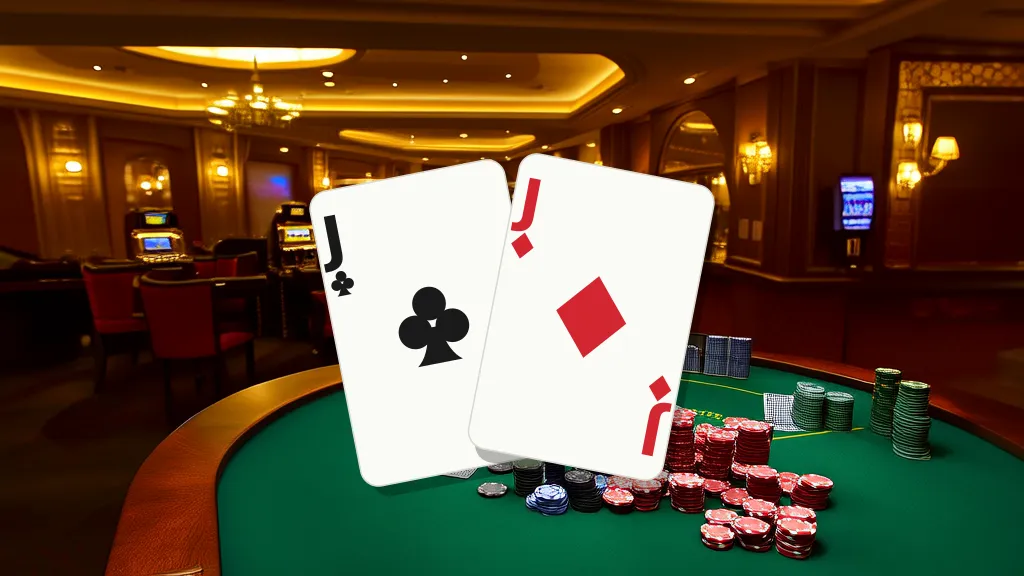
Jack-Ten offsuit mirrors JTs’ straight fireworks without flush backup—learn when to steal, how domination hurts realized equity, and how GTO ranges treat JTo across 6-max, live, and zoom pools.
- how to play JTO
- JTO strategy
- GTO
- poker strategy
Introduction
Jack-Ten offsuit (JTo) is best understood as JTs without the suit: same Broadway-connectivity jackpot, roughly the same four distinct straights that use both hole cards (7–8–9–T–J through T–J–Q–K–A), but materially worse multi-street survivability because you rarely flop combo draws with flush plus straight synergy. Solver libraries and solver-informed population play treat JTo as a positional steal and defend holding—still inside many MP+ mixes six-handed, yet tier-dropped from the “premium connector” halo that envelopes JTs.
The hand’s paradox is structural strength versus reverse implied odds (RIO). Connected boards light up JTo with gutshots, open-enders, and strong double-gutshot textures (for example 9–T–x with a jack overcard world), yet paired jack scenarios remain bloody versus AJ, KJ, QJ dominated lines, while paired ten spots mirror pain from AT, KT, QT. Initiative plus position is the solvent: flatting blindly out of position (OOP) into aggressive three-betting environments bleeds theoretical equity faster than solver averages suggest live players realize.
A third pillar is blockers and combinatorics. JTo removes full houses containing JJ / TT / JTs combos from some tight value poles and influences cold four-bet incentive math versus linear three-bettors—but those edges are slender compared with Nut flush blockers suited siblings carry. Serious study therefore emphasizes thin opens, merged defends, and crisp pot control thresholds rather than fantasies about “crushing regs” purely because you flop middle connectivity.
Fourth, treat JTo as a frequency hand: small EV edges repeated thousands of times. Your roadmap is disciplined rake awareness, seat-type profiling (nitty EP raisers punish this holding), and calibrated continuation aggression only when textures favor your proportional range Story. Below we codify equities, SPR heuristics, format splits, granular pre/post lines, pitfalls, exploits, FAQs, and a recap you can skim before clicking “seat open.”
Hand Strength Analysis (equity table)
Classification. JTo is an offsuit Broadway connector spanning roughly the upper teens–low twenties percentile preflop (solver-chart dependent)—strong enough to steal and defend in modern six-max cash, too weak for autopilot aggression from UTG in full ring absent antes and genuinely soft pools.
Structural strengths
- Four-board straight families anchored by jack and ten (seven-high wheel segment through Broadway) create density of semi-bluffable flops unavailable to AQ-type highs that lack interior cards.
- Live card texture preserves equity versus paired boards comparatively better than naked ace-high speculative junk when runouts cooperate.
Structural weaknesses
- No suited backup slashes composite draw equity versus JTs (~2–5% aggregate prefloop drag in analogous matchups depending on blocker matrix).
- Domination corridors widen for single-pair showdowns lacking redraws—a critical realization handicap.
Approximate reference equities (simulate with your tool of choice—numbers vary slightly by suits and combos):
| Matchup | JTo approximate equity |
|---|---|
| vs random | ~53–56% |
| vs AA | ~17–19% |
| vs KK | ~31–34% |
| vs QQ | ~41–43% |
| vs JJ | ~44–46% |
| vs TT | ~56–58% |
| vs AKo | ~39–41% |
| vs AQo | ~36–39% |
| vs KQs | ~50–53% |
| vs QTs | ~53–56% |
| vs 87s | ~58–60% |
Interpretation. Versus weighted linear opens, JTo often floats mid-40% equity cold—not enough to rejoice, enough to contextualize disciplined cold calls IP versus generous sizings. Versus tight UTG poles, equities dip sharply; rake consumes margin.
Versus abstracted defending ranges:
| Scenario (illustrative) | JTo cold-equity intuition |
|---|---|
| vs nitty SB flat (~top 35–42%) | mid-to-high 50s stealing equity |
| vs BB defend vs BU min (~widened) | low-50s |
| vs HJ open ~22% linear | high 40s IP more palatable |
| vs nit UTG ~14% | low-to-mid 30s (often discard) |
Domination taxonomy (mental model):
| You flop… | Chronic pain combos |
|---|---|
| Top pair J (Jxx) | AJ, KJ, QJ, sometimes JT combos at higher SPR |
| Top pair T (Txx) | AT, KT, QT, dominating kicker ladders |
| Second pair + strong draw | Still thin versus better combo draws, sets |
Realization knobs: positional calling depth, rake fraction of pot, villain triple-barrel honesty, multiway tendency, effective SPR branching. Hands like JTs realize equity noticeably better offsuit equivalents when stacks run deep purely through composite draws frequency—respect that handicap when setting thin call thresholds.
Blockers without the nuts
JTo still blocks jacks and tens, trimming some JJ/TT/JTs/AJ combos from tight value ladders. Translate that into marginal four-bet bluff frequency reductions at solver nodes—you are not deleting AK combos, merely shaving paired jack anchors. Do not over-anchor strategy on thin blocker narratives absent population reads.
SPR and commitment thresholds
SPR (stack-to-pot ratio) dictates how eagerly you shovel:
| SPR bucket | Guidance for JTo |
|---|---|
| ≤3–4 | Willingness to stack off rises with open-enders + overcards, combo pair + OESD, rarely naked middle pair. |
| 5–8 | Top pair modest kicker needs straight or backdoor clarity—avoid bloating versus uncapped poles OOP. |
| 9–13 | Default positional leverage lanes: float, probe, stab turns with clean blockers/unblocks. |
| 14+ | Implied odds relevant for guarded draws but reverse implied odds dominate one pair showdowns |
Concrete example (100 bb). Raise 2.5 bb, BB defends → pot ~5.5 bb effective with ~97 bb behind ⇒ SPR ~17.7 flop. Translates to thin value hesitation unless Villain capped; prefer delayed doubles rather than flop ripostes with dominated top pairs lacking redraws.
Commit cues. When villains under-bluff rivers, tighten triple-barrel bravery with Jax / Tx showdown—your straight combos carry more stack-off merit than lone pairs.
SPR drift across streets. Early cbet-facing pots sometimes inflate SPR artificially on paper when you peel small—recompute mentally after turn polar sizing: a triple pot turn nukes superficially “deep” comfort. JTo thrives when later-street jams approximate straight / combo draw fairness versus shrunk polar continuances—not when you sandwich-commit mediocre pair classes.
Worked heuristic (solver-calibrated heuristic, not scripture)
Assume effective 100 bb, CO open 2.25 bb, BU calls**,** BB folds → flop pot ≈ 5.9 bb, effective behind ≈96.8 bb ⇒ SPR ~16. With Jax on J♣ 5♠ 2♦ : positional thin value probe merges exist—but triple-barrel versus cold line tightens massively without straight backdoors or villain marked cappedness. Conversely T♠ 9♣ 8♦ OESD with overcards → aggression frequency rises because straight dominates Ace-high air subsets better than paired jack middling kicker.
6-max vs 9-max adjustments
Six-max incentivizes broader HJ–CO–BTN theft; JTo frequently appears as mixed RFI frequency middle position onward absent extreme rake torture. Blind defense ranges widen ⇒ squeeze densities climb—meaning cold calls shrink without plan for multiway.
Nine-max, especially live:
- Fold pure UTG opens with JTo versus competent tables (field exploit caveat: smash limpers sparingly isolate).
- Tighten MP merges when caller-rich tendencies behind encourage five-way flops (playability plummets offsuit sans dead money overlay).
Format Typical default 6-max Open MP+ mixes solver-standard; tighten early in tough lineups 9-max Fold UTG, cautious MP, expand HJ+, defend SB/BB carefully
Multiway implication. JTo’s straight upside still exists, yet SPR compression demands greater purity continuing—junk floats burn.
Format-specific rake note: Micro-stakes nine-max cash with massive rake cap disproportionately eats thin steal EV — when in doubt tighten HJ merges if your database shows marginal chipEV bleed.
Positional entropy index
Rough mental score (higher ⇒ more playable):
| Seat ladder | Relative JTo entropy |
|---|---|
| UTG FR | Low (fold-heavy) |
| MP/LJ FR | Medium-low (selective) |
| HJ | Medium-high |
| CO/BTN | High (core profit) |
| SB flat | Very low (avoid sans plan) |
Online vs Live adjustments
Online (zoom / rake-efficient pools)
- Elevated three-bet—cold call OOP punishing.
- Population underfold flop occasionally rewards delayed c-bet merges but rake claws thin edges.
Live
- Limp-heavy fields create isolate temptation—size up, thin value jacks more often credible versus KQ type showdowns slipping in.
- Physical timing unreliable—stick to HUD / note patterns digitally; live tells supplement, not supplant mathematics.
Population exploit cheatsheet:
| Tendency | JTo tweak |
|---|---|
| Sticky stations | Shrink steals OOP |
| Overfold SB vs BU | Widen BU opens |
| Hyper-agg squeeze | Cut flat calls lacking plan |
| Passives who stab once | Favor BU delayed cbet floats balancing straight combos |
| Maniacs 3betting light | Slightly widen cold 4-bluff, still risk premium wary |
Timing and physical tells caveat
Assume neutral verbal timing—build lines from sizing convergence plus prior frequencies. JTo pots rarely justify hero leveling absent strong database evidence.
Sizing modernization
Trending solver pools converge near min-raise / 2bb BU steal variants—adjust isolate widths when blinds sticky flat enormous ranges; tighten when squeeze-happy reg occupies SB.
Preflop Strategy by Position
Default lens: GTO-informed baseline tempered by rake. When instructions conflict with your sim, trust your solve + population overlay, not blog absolutes.
UTG / UTG+1
Pure fold baseline nine-handed and versus competent six-max villains without antes. Reasons stack:
- Dominant ranges ahead contain paired strength plus Ace-high broadways.
- Rake amortized across narrower edges craters hourly.
- You invite squeeze nightmares from disciplined blinds.
Exceptions: ante-rich MTT midlevels (ICM-independent chunk), chaotic live charity games (field exploit isolate sparingly).
MP / LJ
Six-max: Mixed RFI nodes appear—implement open ~2.2–2.5 bb absent punishing cold four-bettor dynamics. Tough zoom pool? Prefer fold marginal sim edges.
Full ring: Default discard UTG adjacent seats; escalate only if positional pressure confirms weak flat-call squeezers absent.
Sizing merge: Larger vs splashy callers intending thin isolation denies equity cheaply—mind rake drag if folds rare.
HJ
Standard open territory (~2.25–2.75 bb online typical). Never limp—you torch positional EV capturing no dead money symmetry.
Dynamics: Presence of calling station BU warrants thin size-up disincentivizing flats; aggressive squeeze SB trims frequency.
CO
Amplify steals versus nit blinds—positional postflop leverage realizes straight stubs better than passive fit-or-fold nightmares.
Against thinking BB defend: maintain balanced range incorporating better broadways, pairs, occasional Suited combos higher—JTo merges without standing alone exploitatively.
BTN
Maximum frequency territory versus honest blinds. Consider isolate 3bb+ live denying cheap multiway realization.
Cold-call rare except explicit trap strat vs maniacs squeezing insanely incorrectly—usually incorrect .
SB
Versus BU open:
- Primary: Fold marginal database spots.
- Secondary: Mixed three-bet bluff merges (frequency tiny population).
- Tertiary: Flat misery requiring elite post discipline .
Versus CO open: analogous—positional disadvantage compounded no suited backup.
BB
Versus SB complete/min: punish limp math (iso sizing scales with callers).
Versus BU/CO steal: solver calling + occasional 3-bet bluffs interplay—weight rake trimming marginal flats. Track positional cbet tendencies influencing defend profitability.
Versus UTG opener FR: leaning discard lacking amazing price.
Facing Preflop aggression
Facing a 3-bet
IP (BTN/CU vs blinds):
- Mixed calls viable versus merged small sizing when stacks deep.
- Versus linear JJ+, AK-style polarization: frequently pitch lacking dead money.** OOP:**
- Usually release absent positional dead money curiosity or villain dramatic sizing tell softness.
Facing a 4-bet
Near pure fold. Blocker justification exists solver micro-frequency versus incorrect jammer tendencies tiny—population default fold.
Facing a squeeze
Cold-called pots: Highly sensitive — often jam fold equity scarcity leads to folding dominated continues unless priced stupendously.
Facing a limp
Isolate sizable live; online discard multi-limp piles lacking initiative edge.
Facing a straddle live
Treat straddle seat as pseudo squeeze anchor tightening cold calls lacking premium plan. JTo steals later position widen marginally versus sleepy straddle defenses lacking positional awareness .
Facing antes (MTT / some cash home)
antes widen defend—JTo climbs opening chart subtly; still discard suicidal cold call OOP spots.
Database review prompts
Weekly filter: EV(diff) filtered by hands JTo BU steal failing continuation—inspect bet sizing correlations & rakeback interplay.
Postflop Strategy
On Dry/Static Boards
Example Q♦ 7♣ 2♠:
- Equity realization middling: prefer delayed stabs versus large range-bettors folding mid pair garbage.
- Top pair jacks wary kicker—not auto three streets.
On Wet/Dynamic Boards
Example 9♠ T♣ 6♠:
- Equity explosions merit semi-bluffs combining straight + overcard outs.
- Probe raises solver mixes shrink facing cold flat stations.
Ace-high flops (dominance heavy):
| Flop motif | Guidance |
|---|---|
| A-J-T monotone | Prefer delayed lines versus heavy cbet poles lacking notes |
| A-T-9 two-tone | Check-calling gutters sparingly deep; don't inflate innocently OOP |
| Dry A-rag-rag with your bdfd weak | Rarely pure bluffraises lacking straight blockers synergy |
King-high middling:
- K-T-8 rainbow ⇒ middling showdown combos—delayed stabs, positional realization prioritized.
Flush Draw Play (for suited)
JTo lacks primary flush draws — translate section to Backdoor Equity Harnessing:
| Texture | Guidance |
|---|---|
| Two-tone flop | bdfd discipline — don’t spew without straight component |
| Monotone danger | Pot control default; bluff jam rare without straight blockers or pair |
Straight Draw Play
- OESD (e.g., 8–9–T with J) → aggression high when fold equity exists.
- Gutshot → treat as supplement to pair or overcards, not solitary stack-off vehicle deep.
Multiway Pots
- Straight clarity climbs value hierarchy.
- Bluffing frequency drops precipitously — thin value shrink equivalently.
Example four-way flop J♦ 9♣ 8♠:
- Straight segments include TQ nut tension—your Jax still thin value wary.
- Probe small sizing denies immediate equity marginal hands but rake claws—choose sizes mapping MDF versus splashy villains.
Probe and delayed double-barrel heuristics
When checks through OOP flop, turn straightening middling cards:
- Assess Ace/King scare density impacting calling threshold.
- Weight straight combos you represent logically given preflop.
- Decide thin value versus delayed bluff proportion aligning solver merge heuristic.
Avoid automatic polarization without frequency anchoring.
Cash Game vs Tournament Adjustments
Cash: Emphasize rake, rakeback, mental fatigue safeguards—discard marginal defend spots late session.
Tournaments:
- ICM near bubble slashes speculative defend.
- Short stacks: JTo escalates toward jamming reshove bubble equities—study precise payout ladders.
Format cheat:
| Aspect | Cash | MTT |
|---|---|---|
| Risk premium low | speculative flats | |
| ICM pressure | tighten marginal jam | |
| Ante presence | widens defend |
PKO bounty nuance: Bounty inflated pots sometimes justify marginal gambit continue SPR-wise—yet risk premium ICM-like interplay remains; simulate payout.
Short stack reshove lattice (~12–22 bb effective):
| Effective | Heuristic |
|---|---|
| ≤12 bb | JTo reshove candidate later positions risk premium ok sometimes |
| 12–18 bb | Evaluate bubble ladders |
| 20–25 bb | Usually mixed open / jam over limps nuanced |
Cash deep stack caveat: boredom spew manifests as thin flat BU nonsense—maintain discipline filters.
Common Mistakes (5-7)
- Treating JTo like JTs postflop—overestimating combo draw frequency.
- Calling 3-bets OOP without nuanced plan every street.
- Stacking off dominated Jx top pairs 140 bb deep.
- Auto-barreling dry ace boards uncapped villain lines.
- Ignoring rake at micros making thin steals -EV .
- Underfolding multiway gutshots paying reverse implied versus sets + better draws .
- Over-isolating limpers without accounting for live straddle / sticky blinds entropy.
Advanced / exploitative adjustments
- Leverage jack blockers in cold 4-bet bluff toy nodes versus ** Btn linear 3-bets** (solver micro—apply only with notes).
- Exploit tilted overfold SB by expanding BU opens subtly.
- Versus under-bluff rivers, trim triple barrel merges with naked .Tx showdown value.
Balance idea: Maintain delayed check-raises frequency on turns completing straightening lower cards (8, 9) balancing thin value jacks trapped by positional advantage.
Solver study loop:
- Solve BU open vs BB defend, note frequency deltas across rake models.
- Export Flop subset equities for JTo constrained boards.
- Compare population cbet size deviations manually adjusting calling threshold.
Exploit guardrails
Over-deviation breeds counter-exploit catastrophies—bookmark baseline return thresholds monthly.
Mental game tie-in
Variance swings widen speculative connectors—maintain stop-loss thresholds preventing fancy play syndrome rewriting sound folds.
FAQ (18 questions)
1. Is JTo a “premium” hand?
No—playable premium connector structure without suited upgrade; tier below JTs, above many gapped offsuit Broadways.
2. Can I open JTo UTG six-max?
Only very soft or ante warp sims—default fold tough.
3. How often may I cold call a three-bet IP?
Solver-mixed low—population under-defend still rarely justifies spew.
4. JTo vs JTs equity gap?
Roughly 2–5% preflop mirroring cases; realized gap larger multi-street.
5. Should I limp JTo ever?
Discouraged online; live complete only integrated strategy (rare).
6. Best board class?
Coordinated jack-ten-nine cores maximizing OESD + pair potentials.
7. Deep stack top pair jack—commit?
Cautious — evaluate kicker war and SPR before stack build.
8. Multiway straight draw—barrel?
Selective — prefer size leverage not triple air.
9. BTN vs nit blinds frequency?
High—steal until punished.
10. SB complete defend?
Often fold or squeeze—flat miserable.
11. Facing donk lead wet boards?
Raise merges shrink vs stations; call down planning turn equity .
12. Mental model vs AJ?
Dominated top pair—pot control default.
13. Exploit over-cbet population?
Raise merge more low connected boards where range advantage shifts.
14. Tournament shove stack ~18 bb?
Frequently standard reshove candidate late—verify ICM .
15. River decision heuristics?
Underbluffed pool → underbluff yourself; call down thinner vs maniac .
16. Blocker jam micro?
Only noted linear 3-bettors—otherwise fold .
17. Live straddle adjustment?
Tighten EP actions; steal wider relative dead money if blinds weak.
18. Study tool recommendation?
Run PIOSolver / GTO+ spot nodes for RFI + vs 3-bet abstractions—don’t overfit one size.
Summary: Key Takeaways
- JTo = JTs minus flush insurance—still four-way straight geometry, worse composite playability .
- Domination from AJ/AT/KJ/KT/QJ demands pot control not vanity stacking .
- Open MP+ six-max baseline; fold many 3-bet OOP spots.
- SPR awareness prevents deep cooler buildups with lone pair .
- Multiway = draw purity or exit .
- Exploit through positional theft and population underfold adjustments without abandoning GTO spine .
Disclaimers: Equities approximate; implement sim checks. Align with local site ToS. Practice bankroll discipline.