
How to Play ATo (Ace-Ten Offsuit) in Texas Hold'em - Complete Strategy Guide
May 3, 2026
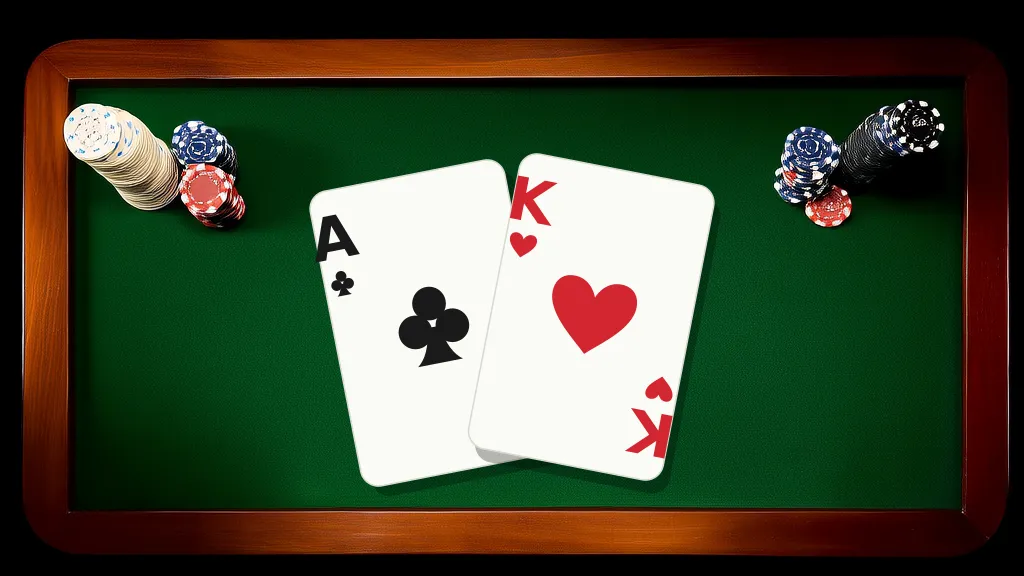
ATo is the weakest Ace-x offsuit most charts still open everywhere in six-max—far weaker than ATs and dominated by AK/AQ/AJ. Fold more versus tight 3-bets; consider folding UTG in tough 9-max; Ten-high boards deliver TPTK; Ace-high boards are chronic kicker trouble.
- how to play ATO
- ATO strategy
- GTO
- poker strategy
Ace-Ten offsuit is the paradox child of No-Limit Hold’em: almost everyone opens it in six-max, yet almost nobody wants to play gigantic pots with it without a compelling read. It trails Ace-Jack/Ace-Queen/Ace-King dramatically, remains massively weaker than Ace-Ten suited, and introduces the longest domination chain you routinely volunteer for—AJ, AQ, and AK all tower over your top pair when an Ace flops.
Because flush equity evaporates, thousands of otherwise salvageable turns become exits rather than doubles. Ten-high flops reward you with textbook top pair top kicker scenarios against sticky lows; Ace-high flops often strand you in kicker hell unless villains arrived from delusional steal/defend ranges.
Expect nuance: six-max aggression loves ATo as a blocker-heavy open; brutal nine-max textures warrant trimming or outright folding UTG when EP populations behave honestly. This master guide mirrors our flagship cadence—rankings, domination, SPR, formats, full positional doctrine, limpers, squeezed pots, OOP flats, flop taxonomy labs, EV arithmetic, leak busting, exploits, solver snapshots, FAQs, and summaries.
Hand Strength Analysis
Where ATo Ranks
Ace-Ten offsuit generally grades inside the top ~14–22% of hands depending on solver flavor—always trailing stronger Ax Broadway cards and typically trailing ATs for pure playability. Versus a random hand you average ~56–59% equity, meaning fold equity and isolation discipline carry you almost as much as raw showdown strength.
Raw Equity Snapshots
Memorize the cliff edges—ATo bleeds when ranges stiffen.
- ATo vs a random hand: ~56–59% equity
- ATo vs AA: ~5–7% equity
- ATo vs KK: ~28–31% equity
- ATo vs QQ: ~26–29% equity
- ATo vs JJ: ~41–44% equity
- ATo vs TT: ~43–46% equity (pair interaction headaches)
- ATo vs ATo: ~21–24% equity (Ace domination)
- ATo vs AQo: ~21–24% equity (Ace domination)
- ATo vs AJo: ~21–24% equity (Ace domination)
- ATo vs ATs: ~47–50% equity (suitedness swings everything)
- ATo vs KQo: ~60–63% equity (domination upside alive)
- ATo vs a tight EP open (~12–14%): ~39–42% equity
- ATo vs a balanced BTN 3-bet (~9–10%): ~36–40% equity
ATo vs ATs: Why Suitedness Isn’t Cosmetic
ATs inherits flush ladders that routinely salvage marginal continues; ATo flatlines on scary turns unless it improves to stronger pairs or picks up rare straight geometry. Treat ATs as a high-frequency pressure tool and ATo as a high-frequency yet lower-ceiling open—especially OOP.
Blockers and Combinatorics
ATo removes plenty of AT combos (great for squeezes) yet fails to interact with AJ/AQ/AK clusters, meaning Ace-high disasters arrive fully loaded.
SPR and Commitment Thresholds with ATo
Ace-Ten offsuit loves low SPR pots where top pair is effectively the nuts or where fold equity plus equity realization justify stacking off. It tolerates medium SPR when you have initiative and range advantage; it becomes trickier at ultra-deep SPR without backup draws.
| SPR | Typical formation | ATo commitment heuristic |
|---|---|---|
| <2 | Four-bet pots, jammed stacks | Willing to stack off with TPTK or strong draws |
| 2–4 | Three-bet pots, squeeze pots | Default stack-off with TPTK on many Ace-high/King-high textures |
| 4–7 | Raised pots, deeper three-bets | TPTK strong but not automatic; evaluate coordinated boards |
| 7–12 | Single raises, deep effective | Prefer controlled pots without combo draws |
| 12+ | Very deep cash | One pair alone rarely sufficient without reads |
Practical translation: if you four-bet ATo and flop top pair in a pot where less than two stacks remain relative to pot size, you should rarely talk yourself into folding absent monster reads.
Six-Max Versus Full Ring (Nine-Max)
Six-max dynamics:
- Opening ranges widen across every seat; ATo appears more frequently in both your range and your opponents'.
- Three-betting ATo for value is closer to mandatory facing late-position opens because dominated worse Ax/Kx appears often.
- Cold four-bet pots arise—practice disciplined sizing without reverting to cartoonishly tight folds.
Nine-max dynamics:
- Early-position opens are narrower; ATo still opens UTG but appreciates cleaner raises without Multway entropy.
- Respect EP three-bets more—ranges skew toward QQ+, AK, occasional traps.
- Cold-calling premiums declines in popularity relative to six-max; ATo still prefers aggression over flatting from blinds against steal attempts.
Online Versus Live Poker
Online:
- Higher three-bet/four-bet frequencies force ATo into more marginal branches—solver mixes proliferate.
- Smaller open sizes mean SPR mathematics shift subtly; you see more postflop play.
- Population over-bluffs certain SB/BB polarizations; ATo's blocker-heavy profile punishes that tendency.
Live:
- Opens often larger (especially low stakes), shrinking geometrically remaining stack-to-pot—sometimes beneficial for ATo commitment with strong pairs.
- Three-bets become painfully honest at many tables; ATo's value raises print but four-bet/fold becomes attractive versus elderly nits.
- Physical tells occasionally clarify whether a river raise is value-exclusive—use cautiously.
Domination, Equity Realization, and Implied Odds
When ATo Dominates
Domination in Hold'em describes situations where an opponent shares one of your ranks but plays a weaker kicker or no meaningful redraws. ATo dominates wide portions of realistic calling and three-betting ranges: AJ, AT, KQ, KJ, weaker suited Broadway combinations without pairs, and myriad suited aces that cannot comfortably continue versus pressure when an Ace flops. Your strongest economic driver remains forcing dominated opponents to commit chips before board clarity arrives.
When ATo Is Dominated or Flipping
Against QQ+, AK becomes either flipping or crushed. Pocket pairs remove six outs twice from clean overcard geometry; pocket Aces erase your primary hit frequency narrative entirely. Recognizing dominated buckets matters less preflop—your equity remains respectable—but postflop reverse implied odds spike when deep stacked versus passive opponents who only raise turns with sets.
Equity Realization Factors
Equity realization describes how much of your raw preflop equity converts into captured EV given positional disadvantage, rake, skill edges, and initiative. ATo realizes equity best:
- In position after calling three-bets—your decision tree simplifies dramatically.
- With initiative after three-betting—fold equity supplements showdown value.
- Heads-up—multiway pots compress continuation frequencies with air.
Reverse Implied Odds Without a Flush Draw
Unlike ATs, ATo cannot bail itself out with nut flush outs when an Ace lands and action escalates. That mechanical truth increases the cost of stubbornness versus tight players on Ace-high boards that also feature secondary Broadway coordination—exactly where AQ and two-pair combos lurk.
Preflop Strategy by Position
Under the Gun / Early Position
Default: Open-raise ATo for your standard sizing (typically 2.5x–3x in full ring, slightly smaller in six-max).
You are bringing one of the strongest EP components; limping is unacceptable. Opening charts universally include ATo near the top.
Facing a three-bet:
Versus tight continuing ranges, lean toward calling or occasional four-bet/fold mixes depending on opponent.Versus balanced or loose three-bets, four-betting grows attractive—especially when folds yield immediate profit.
Middle Position
Similar to EP but with slightly wider incentive to four-bet versus CO/BTN three-bets designed to exploit perceived capped ranges.
Cutoff
ATo is a workhorse:
- Open always.
- Versus BTN three-bets, four-bet mixes escalate—your opponent's range includes numerous dominated Ax/Kx and speculative holdings.
Button
In position throughout the hand, ATo realizes equity superbly:
- Open.
- Versus blinds' three-bets, calling and four-betting both remain viable—choose based on villain polarization profile.
Small Blind
Modern solver environments prefer three-bet/fold schemes from SB:
- ATo is near-automatic three-bet versus opens—flatting only appears at exotic depths versus specific opponents.
Big Blind
Versus opens:
- Three-bet frequently for value and initiative.
- Occasionally flat versus UTG at extreme depth if table realizes multiway pots absurdly often—still marginal.
Facing Different Preflop Actions
As the Open-Raiser
ATo always raises first-in (except absurd ICM corners). Size according to table conventions; consistency matters more than micro-tweaks.
Versus a Single Raise
ATo never folds to one raise preflop at standard depths:
- Three-bet from blinds versus steals.
- Flat occasionally in position versus UTG when stacks are deep and villain under-bluffs post—advanced exploit.
Versus a Three-Bet
Decision matrix sketch:
| Your position / villain position | Trend |
|---|---|
| EP open vs EP three-bet | Call dominated portions; mix four-bet/fold |
| EP open vs BTN three-bet | Four-bet/call wider |
| CO/BTN open vs blind three-bet | Four-bet plus calling mixes |
Key idea: heavy continuation avoidance versus disciplined 4-bets—your blocker story cannot outweigh equity deficits versus QQ+/AK heaps.
Versus a Four-Bet
At 100 BB:
- Jamming ATo versus non-nit ranges frequently correct when SPR collapses.
- Versus tiny continuing frequencies (QQ+, AK only), folding ATo to a five-bet jam can be fine—equity nightmare.
Squeeze Spots
ATo is premium squeeze candidate:
- Blocks AA/KK/AK value.
- Performs well versus callers' capped ranges.
- Use larger sizing out of position.
Multiway Pots
Equity decays with additional players—avoid inflating sans initiative unless constructing deceptive cold four-bets at solver-explorer depths.
Facing Limpers
Isolate aggressively:
- Formula: baseline open plus ~1 BB per limper live; adjust online downward slightly if opens smaller.
- ATo thrives heads-up; deny cheap realization.
Playing as the Three-Bet Caller (Out of Position)
Without suited backup:
- Ace-high/King-high flops favor leads or check-calls depending on solver palette at your rake structure.
- Monotone chaos kills naked top pair confidence—proceed cautiously.
Postflop Strategy with ATo
Favorable Textures
Ten-high flops:
Ace kicker delivers top pair top kicker—value aggressively versus passive callers while denying free cards to rampant gutshots.
Ace-high flops:
You flop top pair yet instantly trail AJ+. Bet thin versus confirmed fish; revert to pot control versus competent aggression—deep SPR humility pays rent.
Straightening Broadway textures:
Occasionally you flop gutshots or double-gut scenarios—semi-bluff modestly, escalate only when villain ranges remain capped.
Unfavorable Textures
Low connected flops punish OOP continuation without equity:
- Prefer checking at equilibrium frequencies.
- Avoid stubborn stacking off versus raises absent reads.
Turns and Rivers
Increase sizing when draws complete that favor your continuing stories; shrink when runouts favor capped callers who suddenly wake.
Detailed Texture Buckets
Understanding flop taxonomy accelerates in-game pattern recognition. Train yourself to label flops within two seconds.
Bucket A — Dry Ace-high (A72 rainbow): Top pair top kicker prints. Bet small for denial and extraction; larger sizing unnecessary unless villain floats wide.
Bucket B — Wet Ace-high (AJT two-tone): You still love top pair but invite raises more often. Merge protection bets with occasional checks to trap aggressive floats.
Bucket C — Dry Ten-high (K83 rainbow): Ten-high top pair with Ace kicker mirrors Bucket A importance—value aggressively.
Bucket D — Wet Ten-high (KQJ monotone foreign suit): Potential flush and straight nightmares despite top pair. Downshift sizing; increase folding versus raises unless reads justify heroism.
Bucket E — Pure low connected (865 double-suited): Unless you picked gutshot/BDFD textures, surrender continuation purity—range disadvantage shifts toward caller.
Bucket F — Paired bottom cards (994): Range betting plausible if you were three-bettor; AK-high remains decent bluff candidate missing pair.
Scenario Lab — Heads-Up Single Raised Pot
Line 1: CO raises 2.3 BB, you defend BB with ATo—actually prefer three-bet; suppose flat for illustration. Flop A♠ 7♦ 2♣. Check to aggressor; face 33% pot. Raise rarely; call dominates versus merges; fold never.
Line 2: BTN opens, you three-bet SB, BTN calls. Flop K♥ 9♠ 4♦. Fire continuation 27–33% pot frequently—SB three-bet range skew strong.
Line 3: UTG opens, you three-bet BTN, UTG calls. Flop Q♠ J♦ T♣. You hold gutshot to Broadway plus two overs sometimes worthless depending suits—semi-bluff small or check realizing solver prefers mixes.
Scenario Lab — Three-Bet Pots OOP
When you three-bet ATo from SB and BB cold calls occasionally ignoring rare configurations—typically HU—remember SPR lands roughly 3–4 if stacks 100 BB. Top pair willing stacks absent disgusting monotone catastrophe.
Monotone Boards Expanded
Monotone flops demand disciplined taxonomy:
- No flush card in hand: Caution massive—even top pair shrinks.
- Nut flush draw impossible offsuit: Only bizarre runner-runner counterfeit salvation arises—usually downgrade drastically.
Double Broadway Boards With Straight Connectivity
Boards like K♠ Q♦ J♥ tempt furious aggression yet paradoxically increase cooler frequency. Bet for protection yet do not auto-stack 250 BB without history.
Multi-Street Planning Matrix
Plan three streets before firing flop versus competent regs:
- Identify target weaker Ax/Kx pairs.
- Map scare cards that favor your range story.
- Pre-commit to river decisions avoiding temporal inconsistency.
Cash Game Versus Tournament Adjustments
Cash Game Strategy (100 BB+ Deep)
At standard depths:
- Three-bet aggressively: ATo thrives building pots preflop while retaining strong blocker-driven fold equity.
- Avoid unnecessary five-bet jams versus stations who never fold premiums—choose smaller four-bets inducing calls instead when exploitatively sound.
- Implied odds thinner than ATs yet still relevant when opponents stack off with dominated Ax.
Deep-Stack Cash (150–250 BB)
Deeper stacks amplify downside of naked top pair versus nutted disguised monsters:
- Increase calling frequency versus EP aggression instead of inflating OOP.
- Downgrade willingness to play massive pots without combo draws on textured boards.
Tournament Early and Middle Stages
Treat ATo near cash premiums until ICM emerges:
- Open and three-bet confidently.
- Cold four-bet sparingly unless antes justify widening.
Tournament Late Stage and Bubble
ICM flattens chip EV:
- Still premium jam/call candidate ~25 BB effective.
- Bubble extreme short stacks may induce weird folds—solver deviations appear.
Short-Stack Tournament Spots (~15–25 BB)
AJam candidate facing opens; reshove over wide steal ranges profitable.
PKO Considerations
Bounty equity increases call willingness slightly—ATo benefits tangibly versus wider jam ranges.
EV Calculations: Practical Examples with ATo
Example 1: Calling a Three-Bet In Position
BTN three-bets your CO open to 9 BB (open 2.5 BB). Blinds fold.
- Pot before call: 2.5 + 9 + 1.5 = 13 BB
- Call 6.5 BB → need equity 6.5/(13+6.5) ≈ 33.3%
- Versus 9–10% linear range equity ~45–48%
- Conclusion: Profitable call; mixing four-bets also viable.
Example 2: Four-Bet/Fold Versus Nit
You four-bet nit's three-bet; nit five-bet jams 100 BB effective.
- Estimate range AA,KK,QQ,AK ≈ 28 combos—your equity ~25–28%
- Pot odds often ~35–38% needed—fold unless catastrophic misread.
Example 3: Five-Bet Jam Equity
CO jams 100 BB after your BTN four-bet—pot geometry yields needing ~38% equity.
Versus QQ+,AK you hover ~22–24% → fold unless opponent proven insane.
Example 4: River Bluff Success Requirement
Pot 40 BB, you shove 30 BB bluff with AK-high blocker story:
- Fold frequency needed: 30/(40+30) ≈ 42.9%
Example 5: C-Bet Auto Profit
Three-bet pot, flop dry A-high SB scenario—small bet requiring ~35–40% folds prints when villain defends fit-or-fold.
Common Mistakes to Avoid
Mistake 1: Treating ATo Like a Made Hand Preflop
Yes it is premium—still misses flops often. Do not autopilot stack 400 BB with one pair.
Mistake 2: Zero Four-Bet/Fold Awareness
Against genuine nits, lighting chips ablaze calling five-bets OOP leaks.
Mistake 3: Ignoring ATs Gap Mentally
Postflop backup draws vanish—adjust confidence downward on wet boards.
Mistake 4: Flatting SB Too Often
Passive SB lines bury equity realization.
Mistake 5: Overfolding to Turn Raises on Dry Ace Boards
Population under-bluffs—continue wider with TPTK accordingly when reads absent.
Mistake 6: Under-Isoing Live Limp Fields
Printing opportunity squandered.
Mistake 7: Solver Worship Without Rake Adjustment
Microstakes rake trims borderline four-bets—verify with site-specific calculators.
Advanced Tips and Exploitative Adjustments
Versus LAGs
Encourage huge pots—your Ace-high dominance spikes.
Versus Rockets (Ultra Nits)
Shrink continuing ranges postflop even when you hit TPTK in enormous pots—sometimes they simply have sets.
Bet Sizing Nuances
Small flop continuation in three-bet pots maintains range advantage cheaply; escalate turns when scare cards favor aggressor.
Delayed Lines
Check flop OOP, lead turn when Ace completes counterfeit scare—balanced with weak pairs.
Solver Insights for ATo
- High-frequency four-bet candidate versus wide blinds three-bets at 100 BB.
- SB cold four-bet mixes appear—avoid manual deletion without studying outputs.
- Some monotone boards shift continuation toward checks even when you hold top pair—protect entire range.
- Deep-stack BB vs BTN may flat slightly more relative to mid stakes rake assumptions.
Frequently Asked Questions (FAQ)
Is ATo weaker than ATs?
Yes, typically around 2–4% equity in comparable spots due to flush possibilities and backdoor playability—still both elite.
Should I always four-bet ATo versus Button three-bets?
Often yes at 100 BB—mixes exist—but passive calling alone undershoots value extraction versus wide ranges.
How do I respond to five-bet jams?
Evaluate opponent topology: tight → fold, balanced → call, maniacs → snap.
Can I flat ATo from SB ever?
Rare at equilibrium—three-bet unless extreme exploit versus opener who only continues QQ+.
What about cold four-bet bluffs?
ATo occasionally mixes as blocker-heavy merge—study solver outputs before emulation.
Ace-high flop facing check-raise?
Distinguish SPR—low SPR stack-off wider; deep SPR peel one street cautiously.
King-high monotone flop—top pair?
Significant downgrade; avoid bloating without redraw.
Multiway limped pot live?
Isolate large; accept variance when stacks deep.
Should I table-change away from nit games?
Not mandatory—adjust ranges downward instead.
Online zoom pools?
ATo still premium—watch rake caps altering micro four-bets.
Heads-up differences?
ATo becomes nuts-tier frequency component—stack off liberally shorter depth.
Spin & Go shallow?
Jam/call threshold skyrockets—ATo cornerstone.
Additional Preflop Frequency Notes
Solver Frequency Snapshots (Illustrative)
While exact mixing depends on rake, ante presence, and stack depth, conceptual snapshots help:
- From CO facing BTN three-bet, balanced solutions often allocate ATo across call and four-bet with four-bet fractions rising as opponent widens.
- From SB versus BTN open, ATo three-bet percentages routinely exceed 90% absent exotic antes.
- From BB versus SB complete, ATo isolation raises dominate limp-flatting lines.
Exploit Versus GTO Hybridization
Pure GTO play guards against counters but sacrifices EV versus flawed humans. Against calling stations, overweight four-bets denying realization; against thinking regs, preserve calling mixes protecting under-four-bet portions of range.
Table Selection Amplification
ATo profitability correlates with opponents willing stack off dominated—seek tables featuring loose opens and honest three-bets printing isolation value.
Mental Accounting Per Session
Track not absolute ATo results but decision quality—coolers distort short samples.
Additional Postflop Street Examples
Example Set Alpha — Ace High Dry Through River
Pot: single raised, HU IP. Flop A♦ 6♣ 2♠ you bet 33%; turn 9♠ bet 55%; river K♥ —King improves some KT combos yet largely bricks your target weaker Ax. Consider thin value 35–45% pot versus stations; check behind versus passive showdown bounds.
Example Set Beta — Missed Board Barrel Decision
Flop T♠ 7♦ 4♣ rainbow—you three-bet pre and completely miss. Versus fit-or-fold villain, small continuation still viable; versus stubborn floats, check back denying realization disaster.
Example Set Gamma — King High Dynamic Turn
Flop K♣ 8♠ 3♦ you continuation; turn Q♠ introduces broadway connectivity—you block AQ partially yet retain top pair. Bet-shrink versus raises respecting deeper stacks.
Example Set Delta — Paired Ace Boards
Flop A♠ A♦ 5♣ —trips unlikely yet ranges skew Ax; ATo still strong but kickers matter less—smaller extraction sizing sometimes optimal inducing raises thin.
Example Set Epsilon — Multiway Checked Pot Turn Decision
Flop checks through four-way Q♦ 9♠ 2♣ ; turn A♠ —top pair arrives yet MW caution warranted—bet modestly or check inducing floats depending agg profile.
Solver Insights — Extended Commentary
Solvers emphasize range versus range—not hand versus hand. ATo inherits strong equity retention across high-card boards because both Ace and King unify multiple high-card top pair combinations across your continuing branch. Consequently small flop bets appear even lacking immediate pair/draw due to sheer density of Ace/King connectivity on turns.
Monotone adjustments arise from necessity: if you only bet paired textures when holding flush draws, opponents exploit via aggressive raises—thus equilibrium integrates occasional checks with strong made hands lacking redraws.
Deep ante simulations shift jam thresholds inward—review chip EV tournament exports separately.
Literature and Training Integration
Cross-reference ATo chapters from modern training courses emphasizing population deviation drills—translate solver percentages into actionable heuristics (if frequency >70%, simplify to always).
Regulatory and Ethical Notes
Always comply with jurisdictional gaming laws—strategy assumes fair regulated environments.
Extended Mental Models for ATo
The Miss-The-Flop Two-Thirds Mantra
Approximately 64% of flops contain neither an Ace nor a King (computed via complementary counting ignoring blocking nuances). Internalizing this statistic prevents emotional tilt when premium preflop holdings transform into high-card hands. Your counter-strategy leverages range advantage continuation frequencies rather than hand strength alone.
Initiative Premium
Because ATo lacks suited backup, initiative grows comparatively more vital—you cannot rely on turning equity spikes as often as ATs. Fight for preflop dominance unless sophisticated flatting plans surface.
Population Anchoring Errors
Many live opponents anthropomorphize ATo as “cannot fold.” Exploit their reluctance by value-owning thinner when you actually hold nutted combinations—do not become them.
Range Balance Reminders
When mixing checks with ATo on safe Ace boards, you protect checks from QQ/JJ-type slower played hands—avoid turning yourself face-up.
Physical Timing Exploits Unreliable
Do not reshape entire strategies around fleeting timing tells—sample sizes microscopic.
Bankroll and Variance
ATo generates sizable pots—mental bankroll preparedness prevents destructive shot-taking responses after coolers.
Study Workflow Recommendation
Weekly drill: review twenty ATo three-bet pots in solver comparing your chosen sizings versus equilibrium buckets—iterate sizing convergence slowly.
Tracking Software Filters
Create filtered reports isolating ATo earnings by position—identify structural leaks (often SB flat frequencies).
Transitioning Stakes
Moving up, tighten marginal four-bets slightly until population three-bet frequencies clarify—avoid autopilot bravery day one.
Live Straddle Adjustments
When mandatory straddles exist UTG, ATo still premium—open larger nominally maintaining SPR discipline.
Anti-Collusion Vigilance Online
Rare networks—if suspicion arises, prioritize regulated pools; mechanics unaffected otherwise.
Nutrition and Focus
Trivial sounding yet ATo spots occur deep in sessions—fatigue breeds passive flats destroying EV.
Historical Context
During early online eras, ATo’s mythology caused massive over-jamming—modern solver literacy corrected extremes yet myths linger socially.
Final Strategic Synthesis Loop
Preflop select aggression → flop categorize texture → turn articulate scare narrative → river conditional polarization → mark hand for review regardless outcome.
Summary: Key Takeaways for Playing ATo
- Weakest “always open” Ace-x offsuit in mainstream six-max charts—respect that identity.
- Dominated viciously by AK/AQ/AJ; far weaker than ATs.
- Six-max: still open most spots; tough nine-max UTG: frequently fold or steeply reduce frequency.
- Fold versus snug 3-bets more often than with AQ/AJ—stop gifting dominated flats.
- Ten-high boards: TPTK hunting grounds.
- Ace-high boards: kicker torture—SPR awareness saves thousands of BB lifetime.
- Exploit live limpers with sizing; respect online HUD aggression.
- Study relentlessly—ATo punishes vanity and rewards discipline.
Mathematical Appendix — Miss Frequency (ATo)
Complementary counting (ignoring blockers) still yields roughly ~65% of flops lacking both an Ace and your secondary Broadway card—translation: you miss constantly; plan range bets, not entitlement.
Myth-Busting (ATo)
- Broadway status ≠ immunity from domination ladders.
- Suited twins are not cosmetic—they rebuild equity on turns.
- Aggression without SPR anchoring remains fancy burning.
Integration Exercise
Tag twenty ATo pots monthly: preflop stem, flop bucket, villain archetype, SPR result.